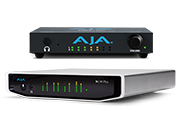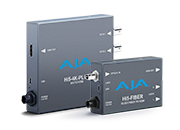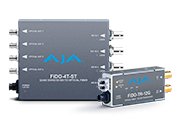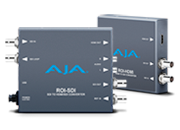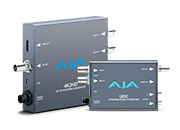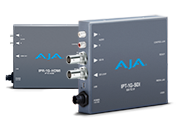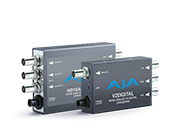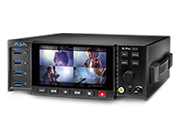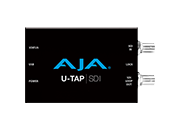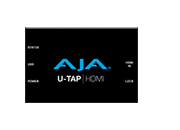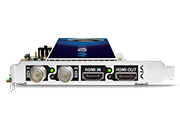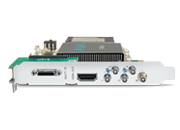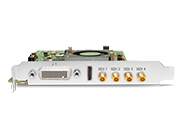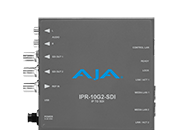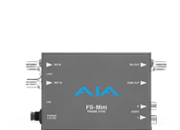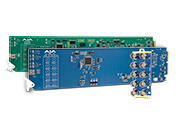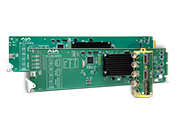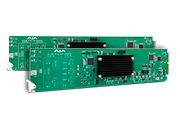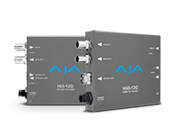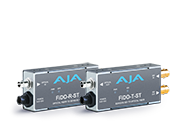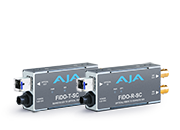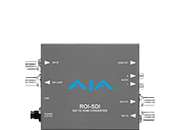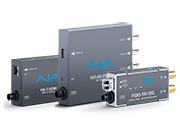
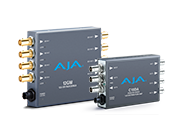
AJA's Mini-Converters are well known worldwide for their reliability, robustness and power across a range of conversion needs. Select the appropriate category for your in field or studio needs.
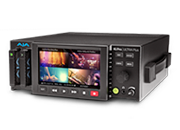
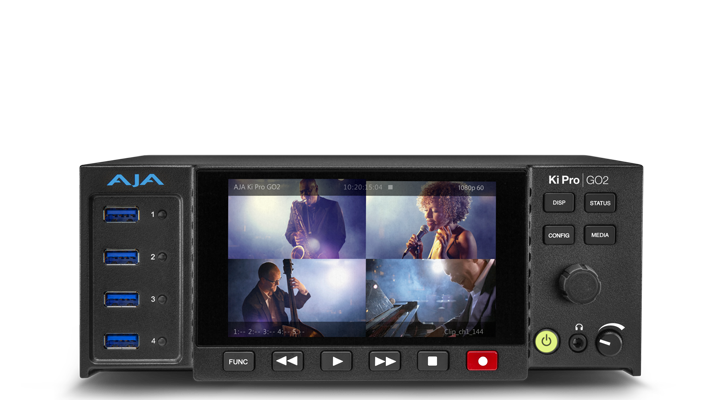
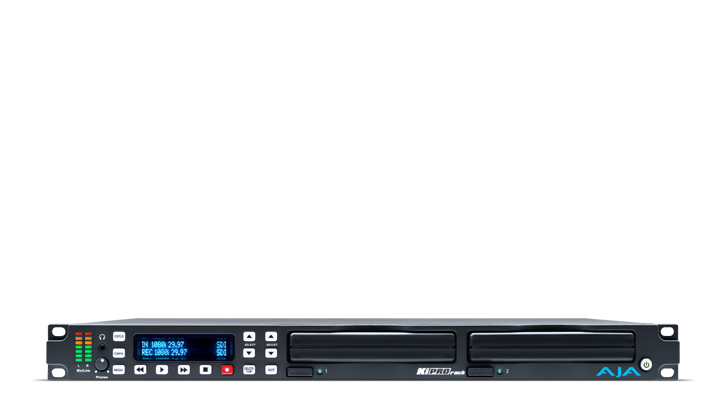
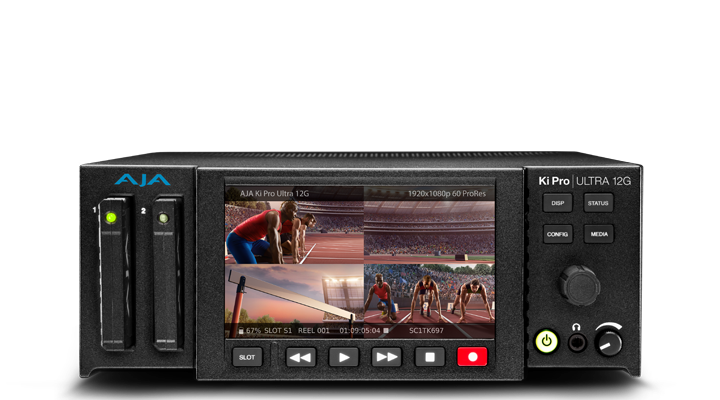
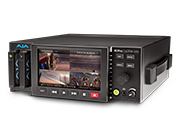
The Ki Pro family of digital file recorders and players cover a range of raster, codec and connectivity needs in different formats suited for the field, equipment rack or facility.
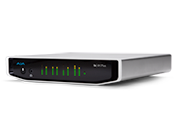
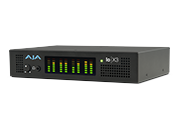
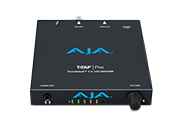
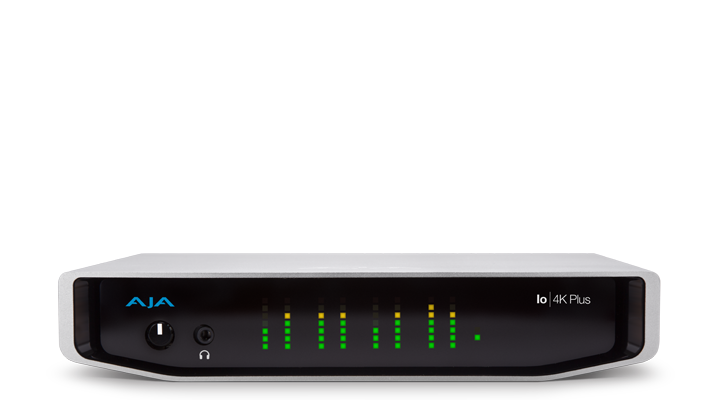
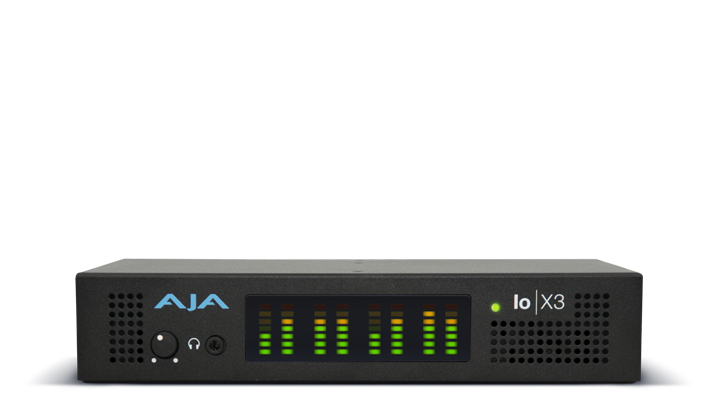
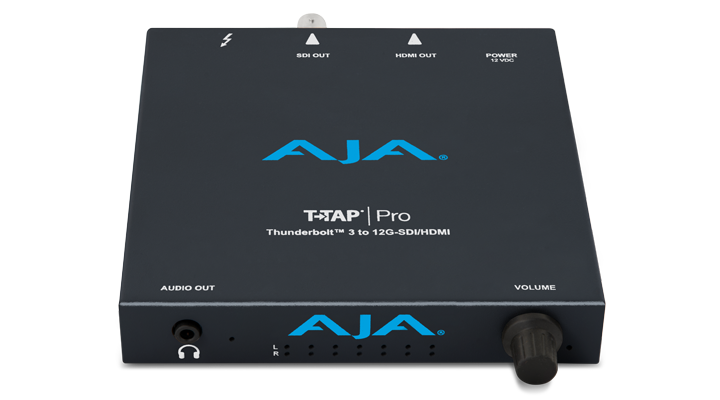
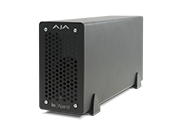
Explore AJA’s solutions for editing, color correction, streaming and much more in the field or flexible facility environments with the Io and the T-TAP Pro products.
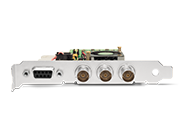
From Composite, Component, 3G-SDI, HDMI to Broadcast IP, AJA desktop solutions provide you the needed I/O for any given project. Explore the KONA desktop I/O family to learn more.
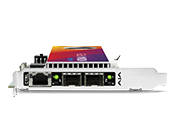
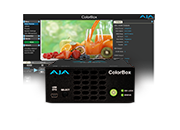
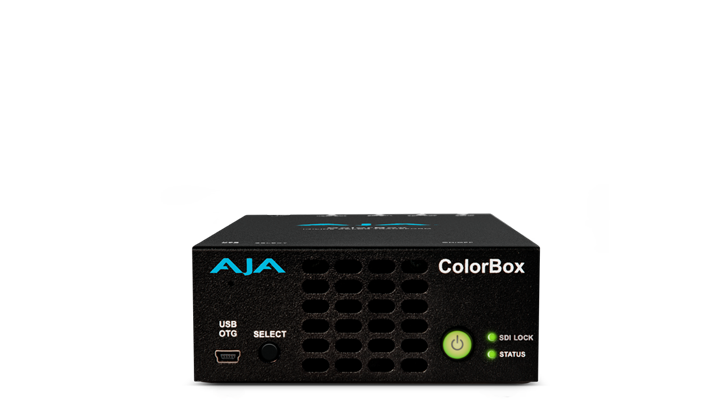
Advanced tools for managing the latest color formats in live production, on-set, post, and delivery.
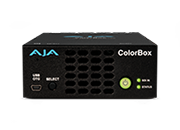
AJA Streaming solutions include standalone and modular I/O devices, supporting the latest streaming software, codecs, formats, transport protocols and delivery platforms.
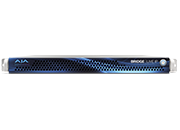
AJA offers a broad range of IP video tools, supporting ST 2110, NDI, Dante AV, AES67 and the latest streaming formats.
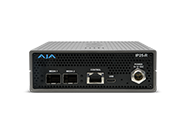
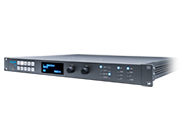
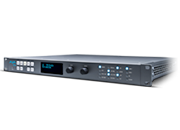
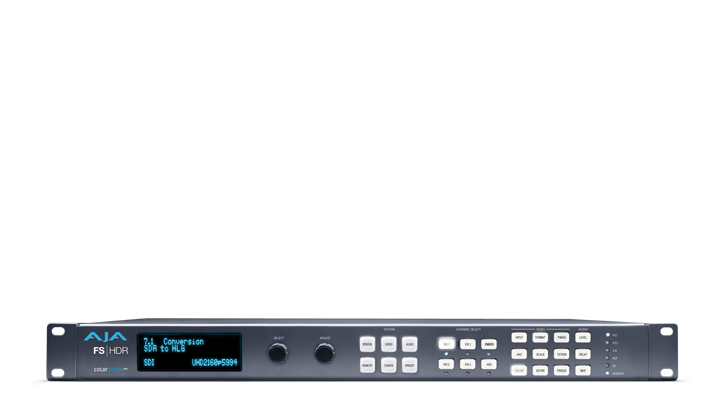
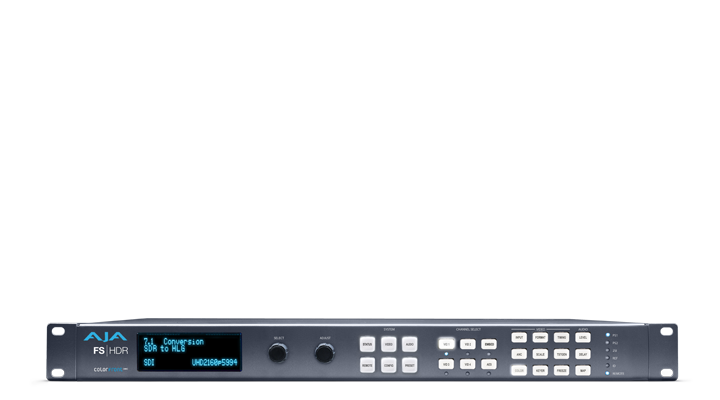
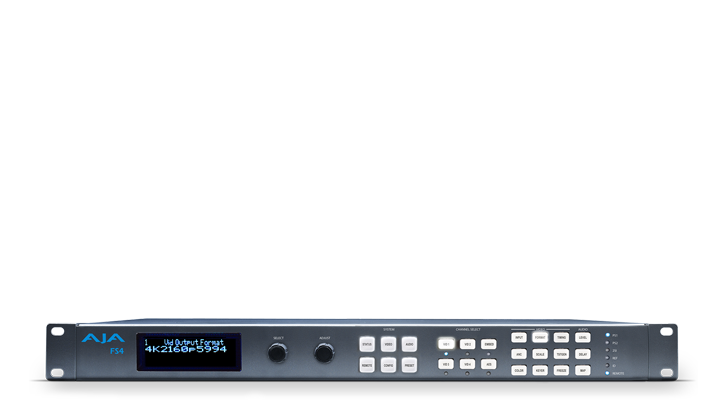
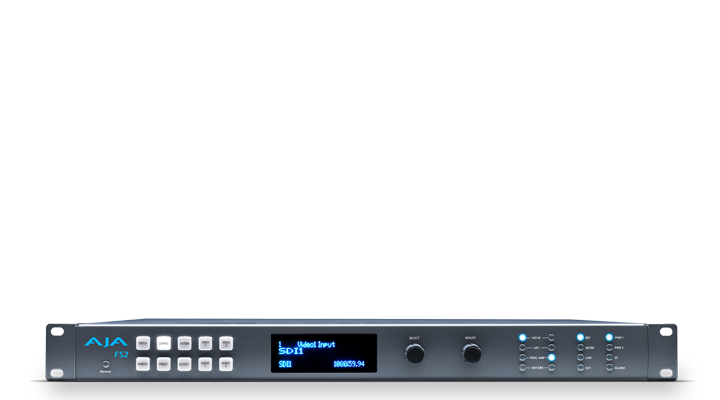
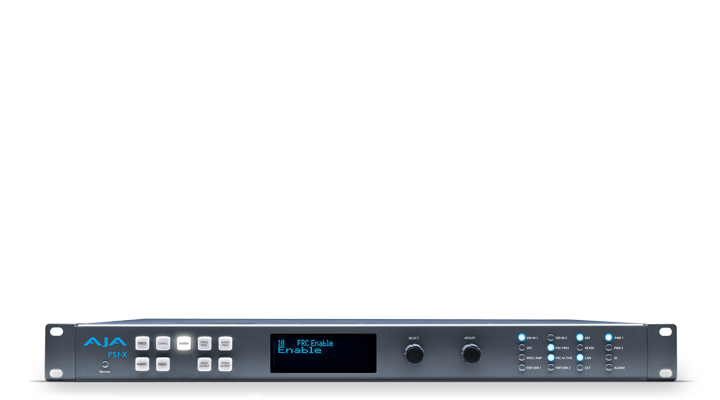
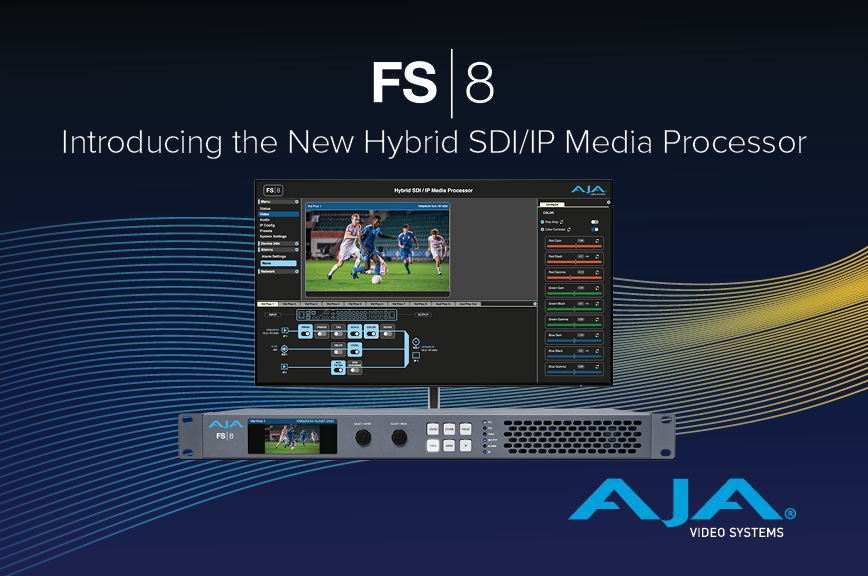
AJA’s FS range of 1RU frame synchronizers and multi-capable converters cover your needs from SD to 4K, 1 to 4 channels of HD support and advanced workflows including real time HDR transforms, with the incredible FS-HDR
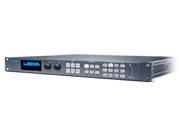
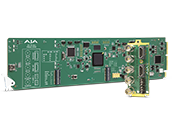
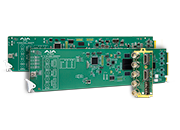
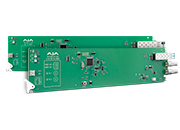
openGear and AJA Rackframes and Converters for convenient rack based conversion, DA and fiber needs.
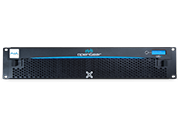
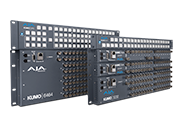
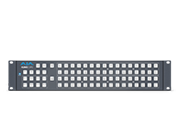
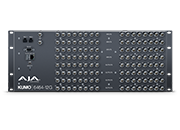
KUMO SDI routers range from 16x16 to 64x64 with convenient control and salvo recall from the KUMO CP control panels.
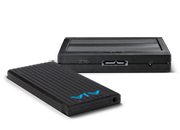
AJA offers a range of SSD-based media, designed for the rigors of professional production. Docks provide the latest Thunderbolt and USB connectivity.
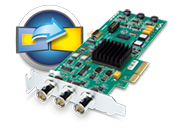
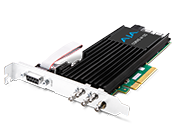
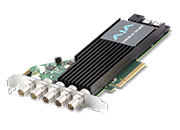
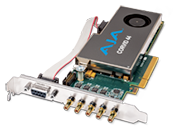
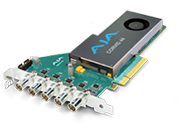
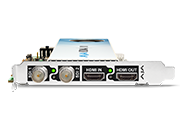
The Corvid lineup of developer cards and SDK options for KONA and Io desktop and mobile solutions offers OEM partners’ a wealth of options. Explore to learn more.
AJA offers a wealth of free software for control, configuration, testing and capture and playback needs.
Distribution Amplifiers, Muxers, DeMuxers, Genlock, Audio Embedders and Disembedders; all in a robust reliable form factor for your infrastructure needs.
Choose HA5 Mini-Converters for conversion from HDMI to SDI and Hi5 Mini-Converters for conversion from SDI to HDMI.
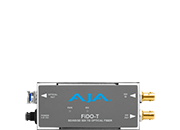
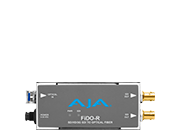
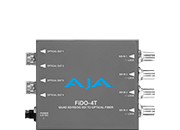
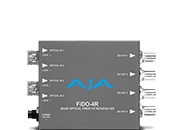
AJA FiDO fiber converters expand your range all the way up to 10km with Single Mode. Transceivers, transmitters and receivers available with SC or ST connectivity and LC Multi-Mode or Single Mode options.
Scan Converters for Region of Interest extraction from HDMI, SDI, DVI, and DisplayPort.
Mini-Converters ideally suited for up, down or cross-conversion for raster or scan conversion needs.
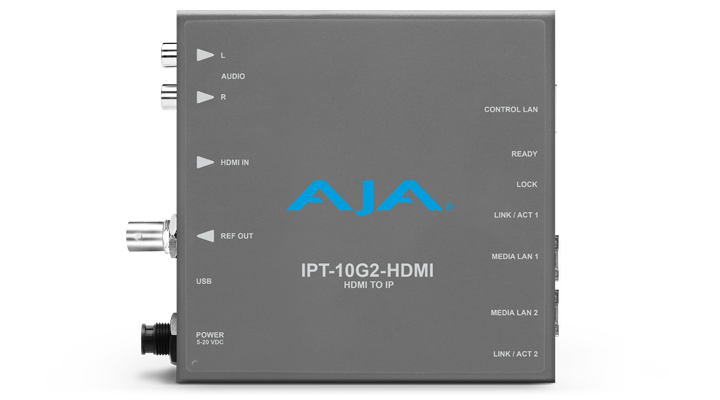
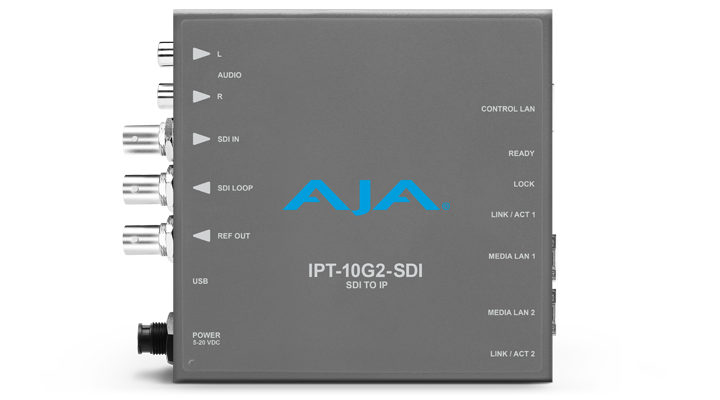
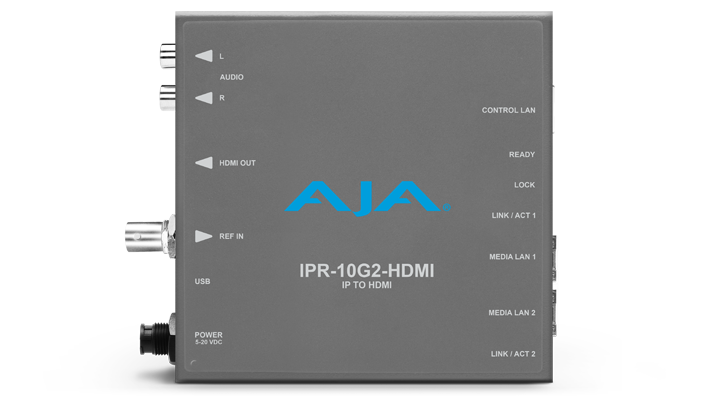
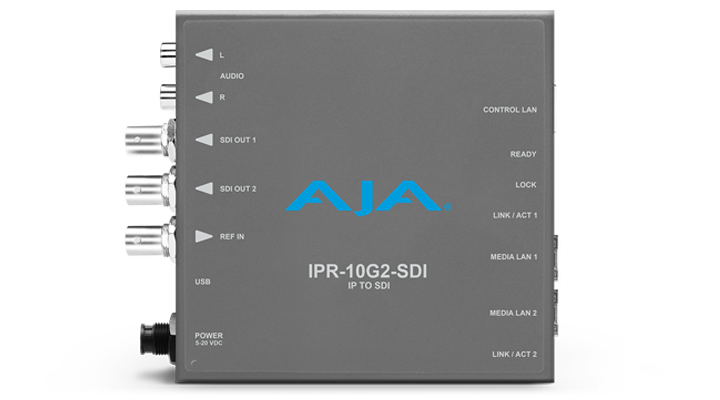
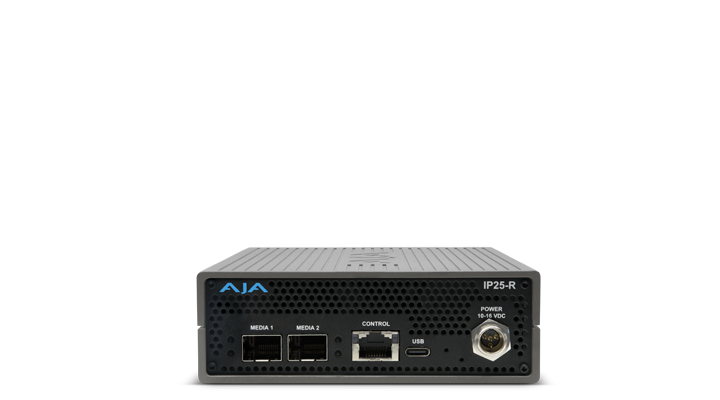
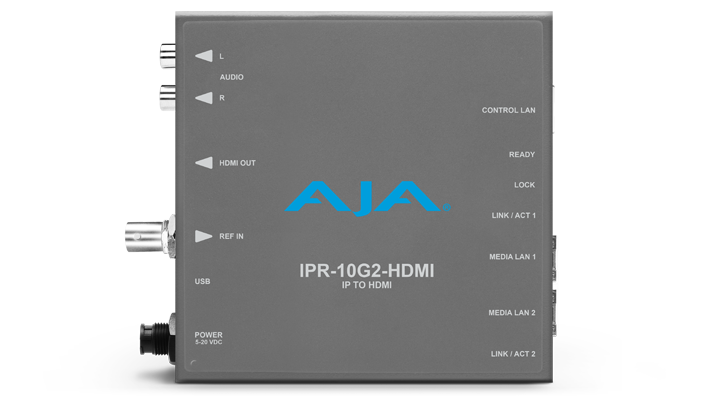
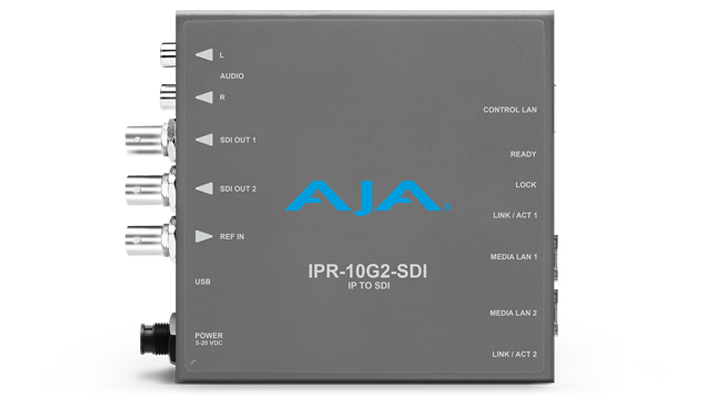
Bridge SDI or HDMI to Broadcast IP and back with AJA IP Mini-Converters
Convert to and from Digital or between Analog Video standards.
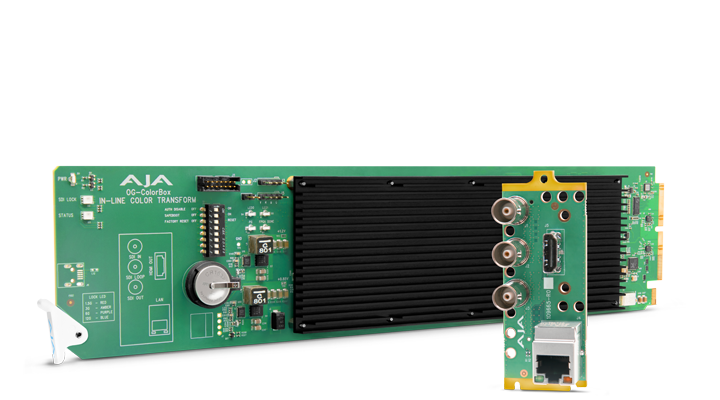
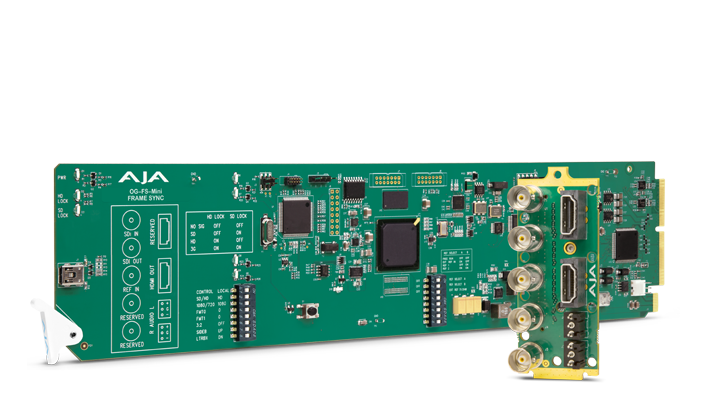
openGear Frame Syncs, DA's, and Audio Processing
Supporting the Latest SDI and Fiber Connectivity
The latest press releases on the most exciting product releases and top news stories from AJA.
Download the latest firmware, software, manuals and more to keep current with the latest releases from AJA.
AJA is dedicated to ensuring your success with our products. Technical Support is available free of charge and our team will work with you to help answer questions or resolve any issues.
If you have an AJA product, please register on this page. Having your registration on file helps us provide quality Technical Support and communication.
IP video gives producers the flexibility, reach, and scale they need to meet production and business requirements. It changes how live and file-based content moves through production, compared to serial video, across remote setups, classrooms, corporate and institutional AV, large studios, trucks, and distributed facilities. SDI, HDMI, and multiple IP systems now coexist in most environments.
IP video is video as data on IP networks, whether inside a facility, across campuses, over the internet, or in the cloud. It runs on IT infrastructure and follows IT thinking: shared networks, routed paths, pooled compute, and COTS platforms instead of fixed, one-signal-per-wire links. The same IP fabric carries both live signals and files, so one infrastructure supports real-time production, contribution, monitoring, and media exchange, while tying traditional serial video into modern compute that IT and cloud teams already operate. This page walks through the essentials of IP video, the operational challenges of mixing SDI and IP, and how AJA infrastructure connects those worlds while keeping timing and color under tight control, whether the workflow is on-prem, remote, or cloud-connected.
Video over IP moves signals as data instead of electrical or baseband video, opening new ways to route, monitor, and process content. It bridges broadcast, IT, and AV domains with flexible network infrastructure instead of fixed point-to-point wiring.
Modern IP workflows use a few different ecosystems, each built for a specific mix of quality, control, and complexity. Knowing what each one does well makes it easier to pick where to use it and how to wire them together.
IP video uses standard network gear and, increasingly, cloud services. instead of only point-to-point SDI or HDMI cabling. Capacity grows with switches, links, and compute, not with dedicated video wiring. In most real facilities, IP doesn't replace SDI in a single step. It sits beside SDI and HDMI, tying cameras, switchers, recorders, replay systems, and displays into hybrid workflows that mix baseband gear with IP-native tools and services.
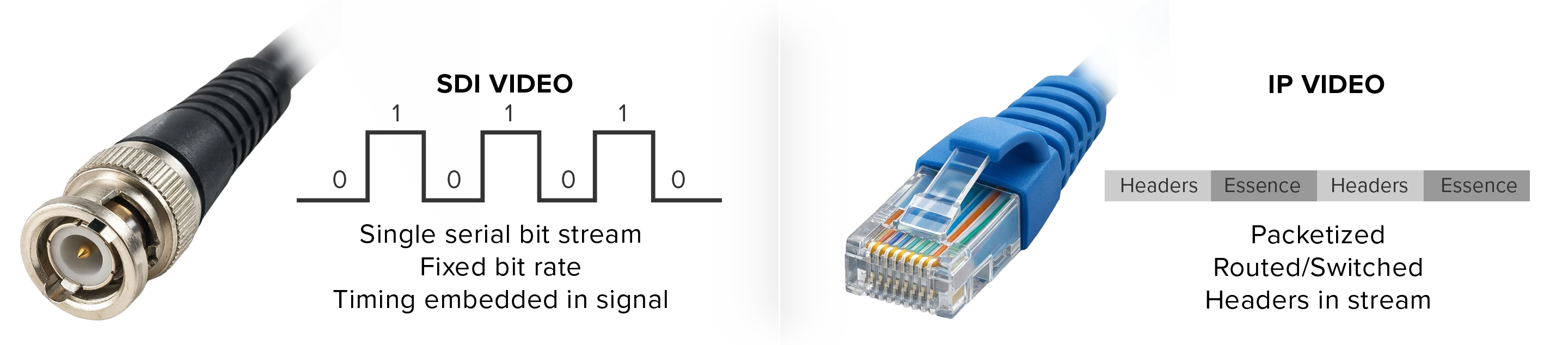
SDI and analog carry a serial signal on a fixed path. IP video turns that signal into data that fits naturally in software like applications, VMs, cloud services, and microservices, instead of being locked to a fixed hardware route. Once video is data, you can process, store, analyze, and move it with the same IT and cloud stack you already use, on-prem or in the cloud.
Serial point-to-point wiring is difficult to scale and doesn't support distributed teams well. IP video lets you grow by expanding network and computer share infrastructure across shows and rooms, and connect remote talent, control rooms, and cloud services without a new cable for every source and destination.
SDI behaves like a fixed circuit: one cable, one continuous signal, with timing carried in the wire. IP video breaks that signal into packets that move across a routed fabric. Multiple independent audio, video, and metadata streams share the same links and can be rerouted in software as needs change.
Those packets run on standard Ethernet switches, servers, and storage, so IP systems inherit data -center-style scaling, resilience, and redundancy. Link aggregation, redundant paths, failover, and virtualization replace long rows of one-to-one hardware spares. In a pure IP or highly virtualized workflow, a switched fabric and routing layer connect applications and control systems across racks, rooms, or sites, so switching, multiviewing, processing, and delivery can live in different places, including the cloud, and still behave like a single plant.
In practice, most facilities run hybrids: SDI, HDMI, and several IP systems operating together. That keeps existing investments in play, adds IP where it clearly helps, and moves more of the workflow into software and cloud over time without putting current operations at risk.
Most facilities don't stick to one IP system. They mix ST 2110, NDI, Dante AV, SRT, and AES67/Dante Audio because different shows, rooms, vendors, and budgets demand different tools. The real job is tying those ecosystems together—bridging formats, timing, and control—so operators get one coherent workflow even when the underlying technologies are different.
SMPTE ST 2110 is a SMPTE standard that defines uncompressed video, audio, and ancillary data as separate, time-aligned essences moving over IP. It uses PTP timing, multicast routing, and engineered 10/25/100 GbE networks to stay deterministic in core broadcast setups. It's the backbone of most modern studios, control rooms, trucks, and large production fabrics where tight sync, low latency, and clean switching are required.
NDI is a software-first media ecosystem from NewTek/VizRT. It carries lightly compressed IP video over standard 1 GbE, with encode, decode, and routing mostly in software. It fits well in mixed computer/video environments—smaller studios, graphics-heavy workflows, and places where flexible routing matters more than maximum fidelity. Timing and performance depend mainly on CPU and GPU load.
Dante AV by Audinate extends a widely used audio-over-IP platform into video. It combines Dante-managed media formats, proprietary timing, and centralized routing on standard IP. It's designed for predictable 1 GbE operation across distributed AV spaces—rooms, venues, campuses, and facilities that mix broadcast and AV. Video stays aligned with Dante audio throughout.
SRT handles secure, reliable transport of compressed streams over unpredictable networks. It uses encryption and smart retransmission to protect contribution and remote feeds across the public internet or long WAN paths. You use it to bring signals in or send them out between sites, trucks, cloud workflows, and affiliates where bandwidth and network stability aren't guaranteed.
AES67 sits on top as an interoperability layer for professional audio-over-IP. It lets different audio systems—including Dante implementations that support it—swap streams across shared networks. That makes it easier to treat IP audio as part of a larger ecosystem instead of a locked island, especially in facilities mixing broadcast and installed AV.
Most modern facilities mix SDI, HDMI, and IP paths to balance familiarity, performance, and scalability. Integrating these formats smoothly ensures production teams can evolve without replacing proven infrastructure.
Operational Processes and Common ChallengesMoving from baseband to IP introduces new tools and responsibilities across engineering, operations, and IT. Success depends on clear system visibility, consistent configuration, and wellmanaged timing, security, and control domains.
Most real systems are hybrid because different parts of a workflow modernize for different reasons and at different speeds. A facility might keep SDI routers, frame syncs, cameras, and recorders because they work reliably, while adding new IP cores, contribution links, or monitoring endpoints to handle specific demands: accepting SRT feeds from remote sites, delivering MPEG‑2 to affiliates, or pushing OTT streams to viewers. At the same time, operators use HDMI devices like computers, mirrorless cameras, and displays, plus software apps for graphics, replay, intercom, and cloud services that all have to plug into the same production.
Budget and risk push most facilities toward incremental migration instead of “rip-and-replace.” Add IP contribution paths, a remote workflow, or an IP core to an existing SDI plant and your team can learn new tools, spread costs over time, and keep shows on air while more of the infrastructure shifts to shared IP.
Many facilities start with SDI islands: control rooms, trucks, studios that stay mostly baseband, with IP edges for contribution, monitoring or delivery. Others build IP islands, like a new ST 2110 core or an NDI production suite, that feed into existing SDI through gateways. This creates two routing domains: an SDI matrix and an IP fabric that have to stay logically in sync.
Gateways sit at the borders between SDI, HDMI, and multiple IP systems. They handle SDI↔IP, HDMI↔IP, and IP↔IP connections to build a production pipeline. You place them where conversion happens: camera feeds into an encoder, IP endpoints driving multiviewers or confidence monitors, desktop I/O cards bridging an IP fabric into software.
SDI sources often run genlocked while IP flows depend on PTP and buffering. Frame synchronizers, IP gateways that respect PTP and clean-switching cores work together to keep cuts clean and audio/video locked, even when a signal crosses SDI, then IP, then back to SDI again. Monitoring spans SDI and HDMI outputs, IP multiviewers, and software displays, so operators can see what's happening anywhere in the chain.
Control and orchestration considerations add another layer to the mix. For one show, operators might drive an SDI router, an IP control system, tally and UMDs, and application-level routing inside graphics or replay software. When devices speak different control languages or lack common discovery, friction builds: extra panels, manual patching, custom glue logic and gateways that keep things connected but add complexity your team has to manage.
Most IP and hybrid workflows rely on the same core processes. Many devices do more than one job at once—a single gateway might handle transport, conversion, and capture in one box; a frame synchronizer contributes to both processing and sync.
Moves signals between rooms, sites, and platforms, usually including encode/decode and format wrapping as signals cross links.
Translates between SDI, HDMI, NDI, Dante AV, and ST 2110 so sources stay usable as they cross domains.
Handles color, sync, and scale—LUTs, HDR transforms, frame-rate conversion, up/down/cross-conversion.
Covers ingest and recording, often with built-in encoding to feed both streaming and file-based workflows at once.
Exposes IP and SDI flows as SDI or HDMI outputs so operators can see and analyze signal health.
Keeps signals aligned—PTP, genlock, essence alignment—so cuts are clean, audio/video stay locked, and timing stays consistent across SDI and IP.
Mixing SDI, HDMI, NDI, Dante, and ST 2110 in one workflow and keeping everything interoperable end-to-end is always a challenge, especially when formats, packet timing, and metadata expectations differ. Latency stacks up at each stage: encode, process, route, monitor. Small per-hop delays add up and affect talkback, replay, and on-set interaction. Density becomes a constraint when many streams share the same encoders, processors, monitoring endpoints, switches, or links. You have to trade off channel count, quality, redundancy, and bandwidth.
Format alignment (HDR/SDR, color space, bit depth, frame rate) has to stay consistent as signals convert and move, or grading mismatches and artifacts show up downstream. Clean switching and stable timing depend on sync, processing, and transport all working together. If any layer is out of phase, cuts glitch or audio drifts. Operators need monitoring visibility at HDMI, SDI, and IP points in the chain so they can see where a problem starts instead of guessing inside a black box.
Teams want to protect SDI investments while adding IP and cloud, which often means more format hops and intermediate conversions. Orchestration and connection management across mixed gear and standards is its own pain point: juggling SDI routers, IP control systems, software patching, and cloud connections for the same show. Remote ingest and contribution workflows stress transport, latency, and sync all at once. You need careful design and the right edge devices to keep everything stable over unpredictable networks.
Most facilities don't jump straight to all-IP. They go SDI → to hybrid → to progressively more IP-centric. New IP islands like a contribution gateway, an IP core, or a cloud-connected production node get built around existing SDI and gradually connected as confidence and budgets grow. Typical next steps: contribution and monitoring first, then routing and production cores once teams are comfortable designing and troubleshooting IP systems day to day.
AJA infrastructure sits in the middle of these stages as a glue layer, providing timing, color management, conversion, and stability for hybrid and IP systems. Low-latency, high-density engines for IP transport and conversion let facilities move more channels across constrained links while preserving image integrity and operator responsiveness. With support for NDI, Dante AV, ST 2110, and key streaming codecs and protocols, AJA devices bridge SDI and IP across studios, trucks, REMI, and cloud workflows. Integration features (NMOS where applicable, APIs, REST control, and hooks for third-party tools) make it easier to plug AJA gear into existing routing and orchestration, backed by proven broadcast-grade reliability and AJA professional support.
Across studios, trucks, REMI setups, and cloud-connected productions, AJA provides low-latency, high-density engines for IP transport and conversion, plus tools that bridge SDI and IP cleanly for uncompressed and compressed paths alike. Support for NDI, Dante AV, ST 2110, and leading streaming codecs and protocols means the same hardware can pivot between different roles as workflows evolve.
AJA devices include standards-based discovery and control where applicable, as well as APIs and REST interfaces that work with routing, orchestration, and facility control platforms. All of it is built on AJA's track record: broadcast-quality hardware engineered for continuous operation in demanding production environments.
Products below are grouped by the primary process they handle in most IP and hybrid workflows. Many devices are multi-purpose and offer a combination of functions.
Transport devices move signals between rooms, sites, and platforms, handling encode/decode and IP connectivity to get video and audio where they need to go.
Conversion tools translate between SDI, HDMI, and multiple IP systems so formats, protocols, and interfaces stay compatible across the path.
IP, NDI, Encode
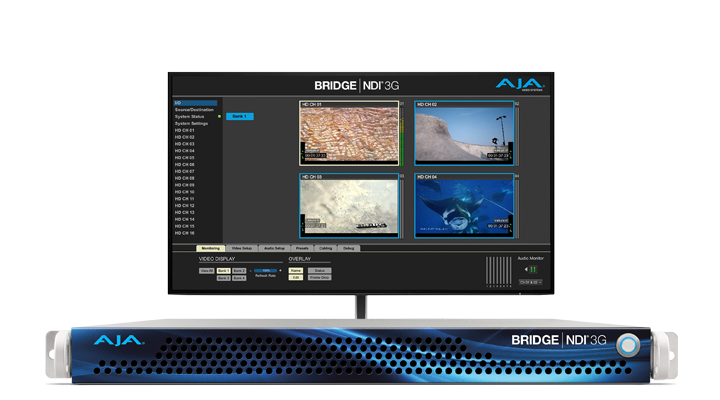
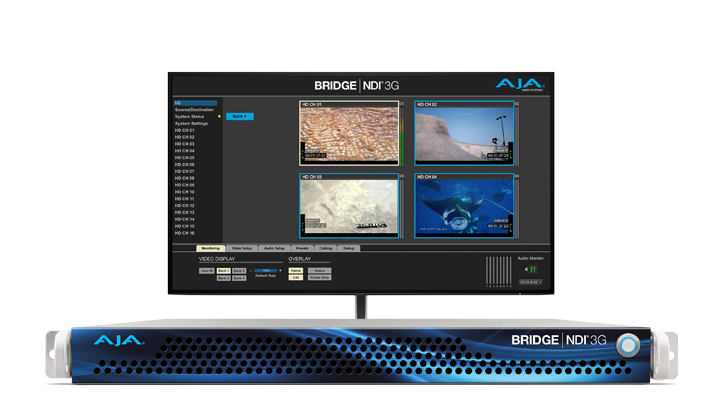
Multi-channel SDI↔NDI gateway for moving baseband into and out of NDI production networks
IP, 2110, Encode, Decode
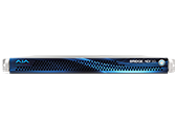
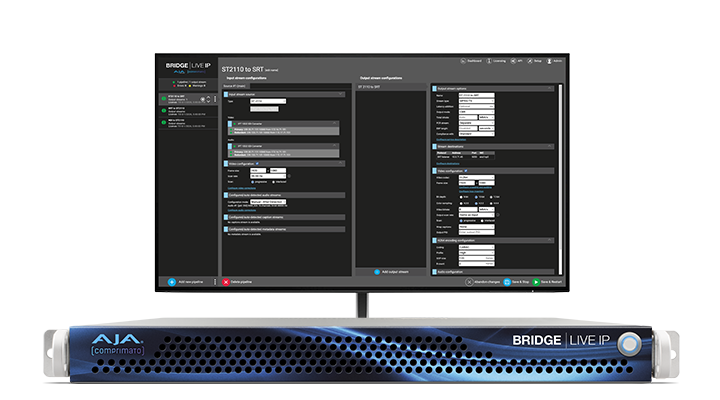
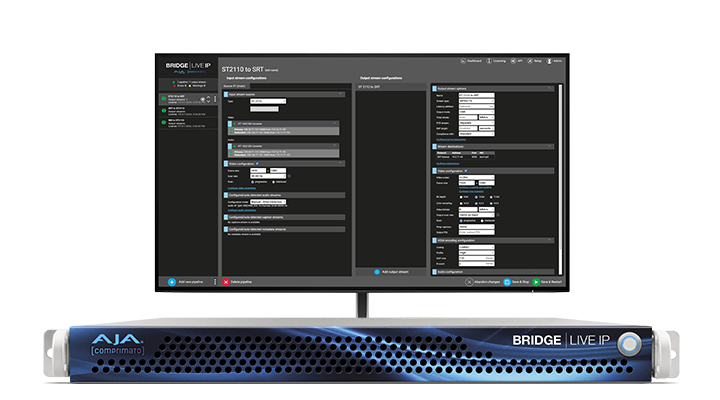
IP gateway for contribution, backhaul, and distribution; multi-channel encode/decode between SDI and standard IP codecs and protocols.
IP, Encode
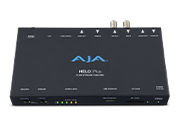
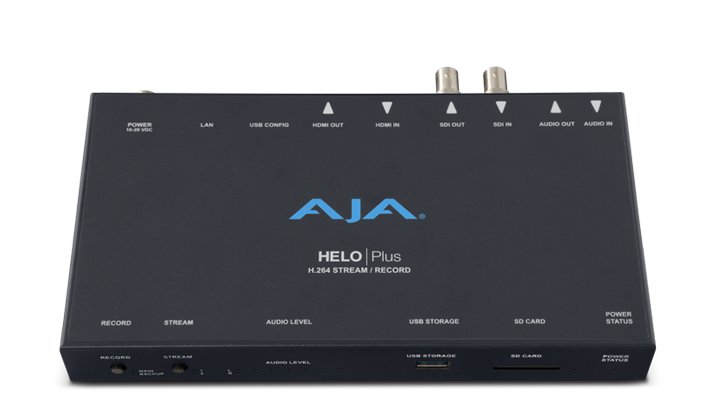
H.264 encoder/streamer for sending SDI or HDMI sources directly to streaming platforms or CDNs, with simultaneous local recording.
IP, 2110, Encode
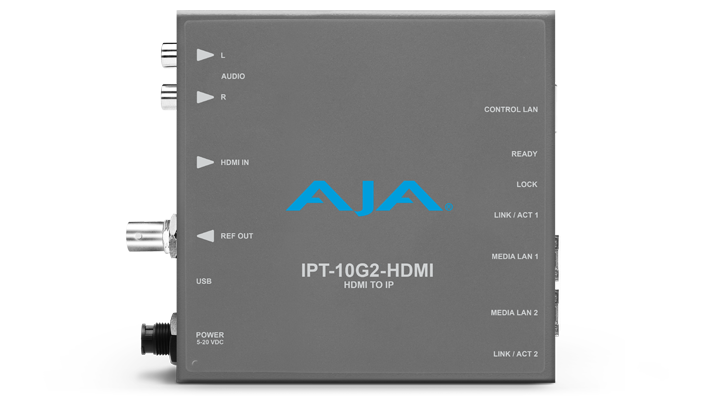
HDMI→ST 2110 transmitter for bringing computer and HDMI sources onto an ST 2110 fabric.
IP, 2110, Encode
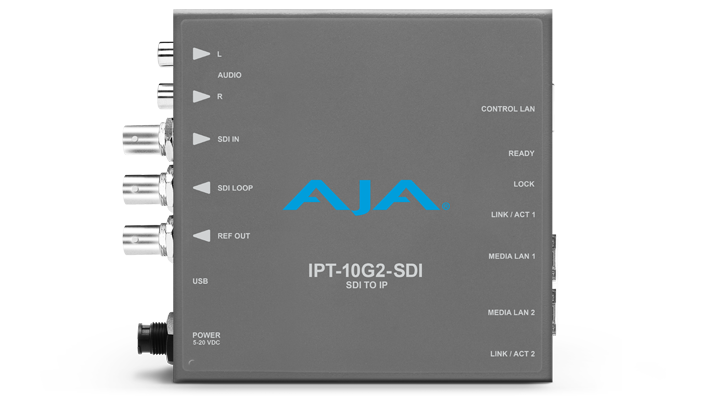
SDI→ST 2110 transmitter for connecting cameras and baseband into IP cores.
IP, Dante, Decode
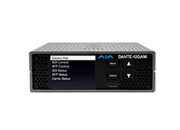
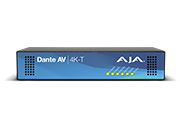
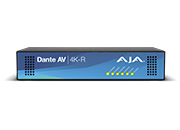
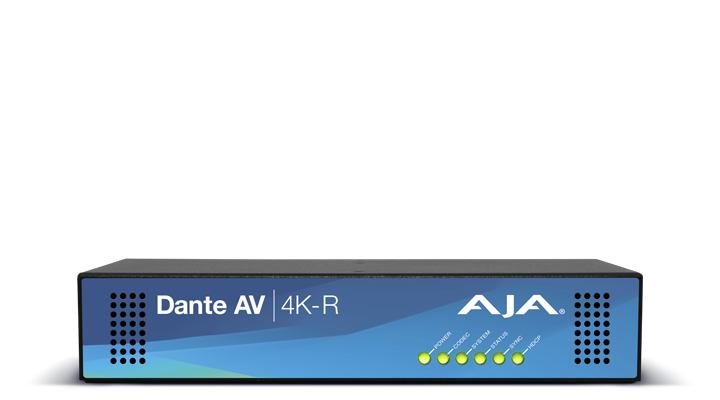
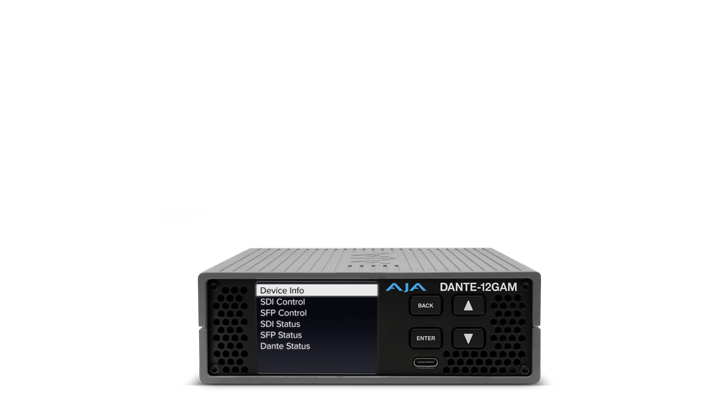
Dante AV video receiver for delivering Dante video streams to local displays or SDI/HDMI infrastructure.
IP, Dante
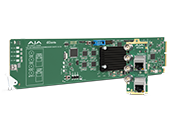
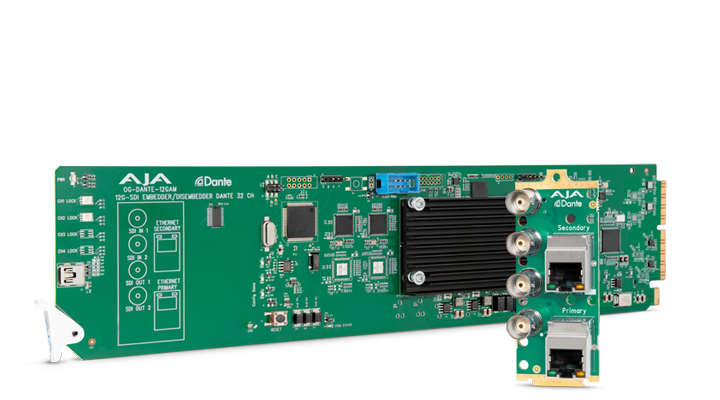
openGear Dante audio embedding for high-density integration in rack-based systems.
IP, 2110, PCIe
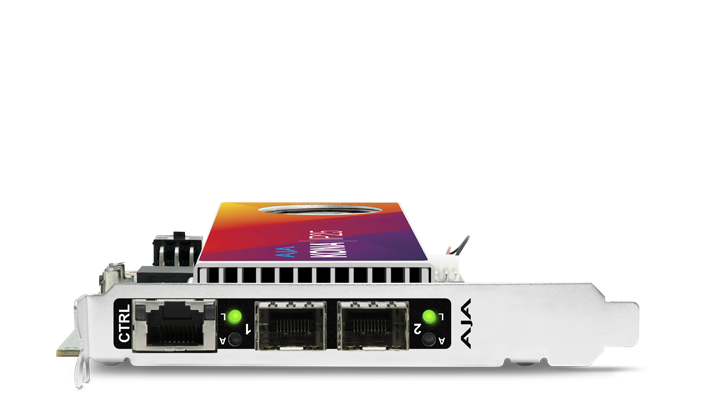
ST 2110↔PCIe bridge in a workstation, converting between IP essences and software applications.
IP, NDI, Encode
SDI↔NDI conversion at the network edge for mixed NDI/baseband environments.
IP, 2110, Encode, Decode
Multi-protocol IP gateway for converting between SDI and formats like ST 2110 and contribution protocols like SRT.
IP, 2110, Encode
HDMI→ST 2110 conversion for integrating HDMI devices into broadcast IP workflows.
IP, 2110, Decode, Endpoint
ST 2110 monitoring endpoint (IP→SDI/HDMI) for IP-to-baseband conversion and confidence viewing.
IP, 2110, Decode, Endpoint
ST 2110→HDMI output for connecting IP fabrics to local displays and projectors.
IP, 2110, Decode, Endpoint
ST 2110→SDI output for feeding routers, switchers, and legacy infrastructure.
Processing products manage color, HDR, timing, and scaling so signals match the look, format, and timing each workflow demands.
Capture devices bring SDI, HDMI, and IP sources into recorders, workstations, and servers, often creating ready-to-use files for streaming, editing, and archive.
Color, HDR
Color pipeline and LUT/HDR processing for camera matching, look management, and HDR/SDR conversions at IP and SDI edges.
Color, HDR
Color processing in openGear for centralized rack-based look and HDR management.
HDR, LUT
Frame sync plus advanced HDR/color processing at SDI edges of IP workflows for format alignment and timing.
Sync
openGear frame sync module for aligning SDI signals entering or leaving IP-based systems.
Encode, USB
SDI/HDMI recorder for streaming/OTT and IP-enabled workflows;
multi-channel recording to
removable media.
Encode
SDI/HDMI recorder for contribution and file-based workflows in flypacks and racks.
12G, Encode
UHD recorder and player for high-end production, including 12G-SDI environments feeding IP distribution.
HDMI/SDI, TB
Thunderbolt capture and playback for software-based streaming and production apps connected to IP-aware systems.
HDMI/SDI, TB
Thunderbolt capture and monitoring interface for IP-connected workstations and control rooms.
Monitoring endpoints convert IP and SDI signals into SDI or HDMI so standard monitors and multiviewers can show a clean confidence picture from any point in the workflow.
Synchronization tools keep signals aligned in phase and time, tying SDI reference and IP timing together for clean switching and consistent audio/video sync.
HDR, WFM
HDR waveform and analysis for SDI feeds going into or coming out of IP workflows.
TB, Output
Local SDI/HDMI monitoring endpoint for NLEs and software tools connected to IP-centric infrastructures.
IP, 2110, Decode, Endpoint
ST 2110 monitoring and display endpoint providing SDI and HDMI outputs from IP networks.
IP, 2110, Decode, Endpoint
IP-to-HDMI monitoring output for confidence and program displays.
IP, 2110, Decode, Endpoint
IP-to-SDI monitoring output feeding existing multiviewers, routers, or monitors.
HDMI/SDI, Local
Software rasterizer and monitoring utility for capture and playout, often used with IP-connected desktop I/O.
1RU rackmount single-channel 4K/UltraHD or four-channel 2K/HD/SD frame synchronizer and converter for frame alignment, up/down/cross conversion, and real-time SDR ↔ HDR ↔ WCG transformations, with Colorfront Engine processing as well as BBC HLG, NBCU, and user 3D LUT support for color-critical workflows.
1RU rackmount single-channel 4K/UltraHD or four-channel 2K/HD/SD frame synchronizer and converter for frame alignment, up/down/cross conversion, multi-channel UHD/HD processing, and pixel mapping conversion (SQD/2SI), for high-resolution and multi-format workflows in live production, post-production, and broadcast.
1RU rackmount dual-channel 2K/HD/SD frame synchronizer and converter for frame alignment of two independent video signals, with up/down/cross conversion, per-channel processing, internal keying, flexible input/output routing, and audio embedding/disembedding, for multi-signal workflows in production and presentation.
1RU rackmount single-channel 2K/HD/SD frame synchronizer and universal converter for frame alignment, up/down/cross conversion, extensive video and audio format conversion, large-scale audio routing, closed caption and AFD processing, and high-capacity embedded audio workflows including MADI integration, supporting complex signal normalization and audio integration workflows.
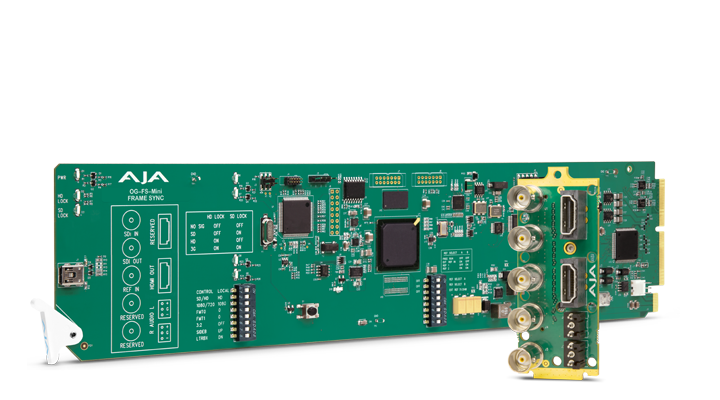
openGear card single-channel 3G-SDI frame synchronizer and converter for aligning asynchronous HD/SD SDI signals, with up/down/cross conversion and simultaneous SDI and HDMI outputs, for high-density modular signal correction workflows.
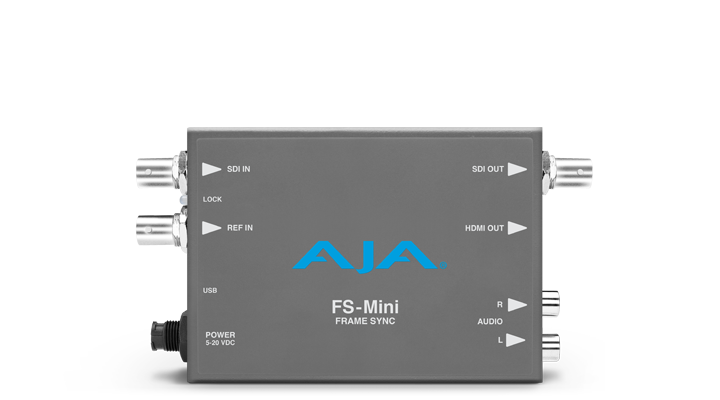
Standalone Mini-Converter single-channel 3G-SDI frame synchronizer and converter for aligning asynchronous HD/SD SDI signals, with up/down/cross conversion and simultaneous SDI and HDMI outputs, for compact single-channel signal correction workflows.
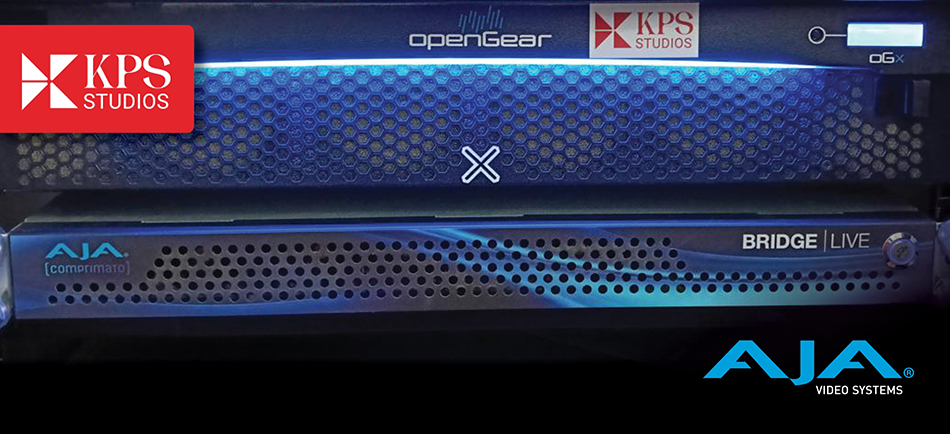
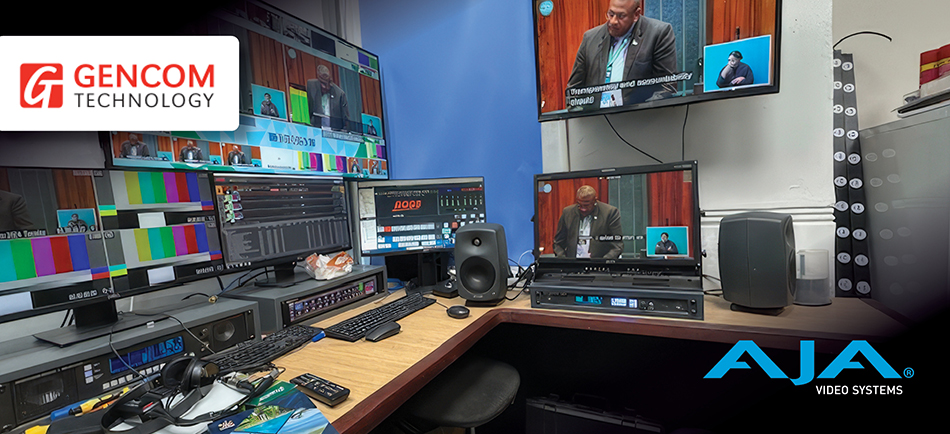
IP video and hybrid infrastructures built on AJA gear are deployed in hundreds of studios, trucks, control rooms, and AV facilities worldwide. Only a small number can be named publicly. KPS Studios and Fiji's Parliament (with Gencom and Dante AV 4K) are two examples where AJA conversion, timing, and IP gateways are central to day-to-day operations, bridging SDI, HDMI, and IP. Behind them is a large base of broadcasters, live event producers, corporate and education facilities, and government organizations using the same AJA infrastructure patterns to modernize workflows while keeping broadcast-grade reliability.
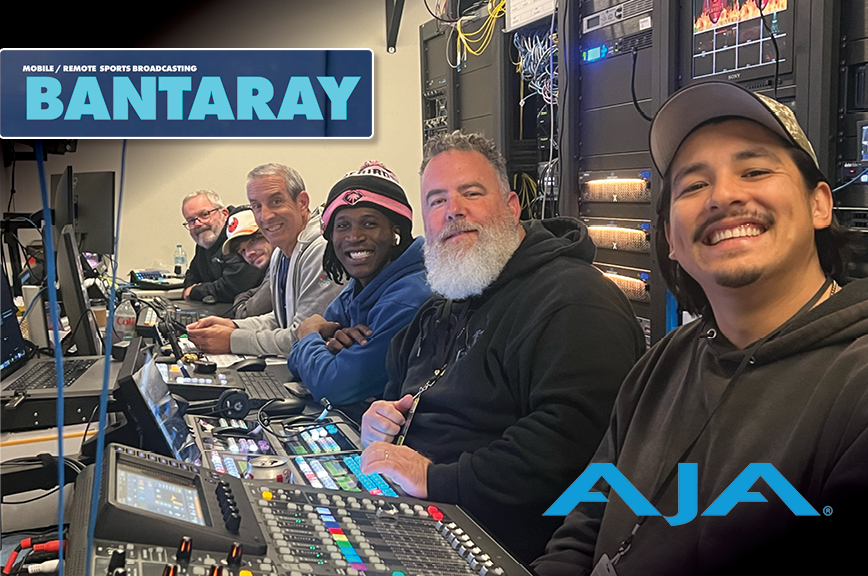
Capturing the fast-paced action of live sports presents challenges for any seasoned production crew, but the team at Kaleidoscope Production and Services LLP (KPS STUDIOS) manages every curveball it’s thrown with ease. The studio’s multi-camera remote production pipeline is engineered to support the rigorous broadcast and streaming demands of major sporting events held across Asia. KPS Studios Technical and Managing Director Rajiv Mehra sat down with us to tell us more about the studio’s work, including how it uses tools like AJA BRIDGE LIVE and OG-12G-AMA to ensure low-latency audience viewing experiences across a range of destinations and device types.
In today’s connected world, constituents expect real-time access to live government proceedings. In the last decade, governments worldwide have responded by implementing dedicated on-campus broadcast production facilities to meet the demand. But given the dynamic nature of the media landscape, many government entities now find themselves upgrading their facilities once again. This time, the focus is on making the switch from traditional baseband video and audio to IP (Internet Protocol), which promises enhanced scalability, greater flexibility, and long-term efficiencies.