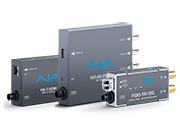
 Mini-Converters
 Digital Recorders
 Mobile I/O
 Desktop I/O
 Color
Color
 Streaming
 IP Video/Audio
 Frame Sync
 openGear
 Routers
 Recording Media
 Developer
 Software
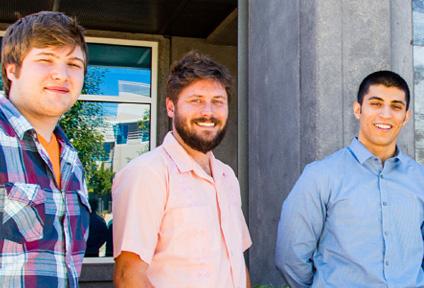

Bantaray on Mobile Sports Production Challenges
October 1, 2026
Share
 Email
Email
From track and field to pickleball, more niche sports are finding an online following, with technological innovation broadening access to high-quality streaming production. For the production professionals behind these events, the challenges they face are similar to those of larger sports broadcasts. Being able to transport video and audio signals over long distances to and from the production truck, commentator booth, and other in-venue displays is essential.
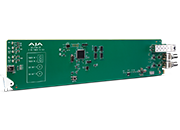
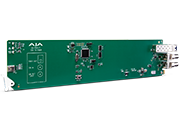
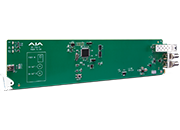
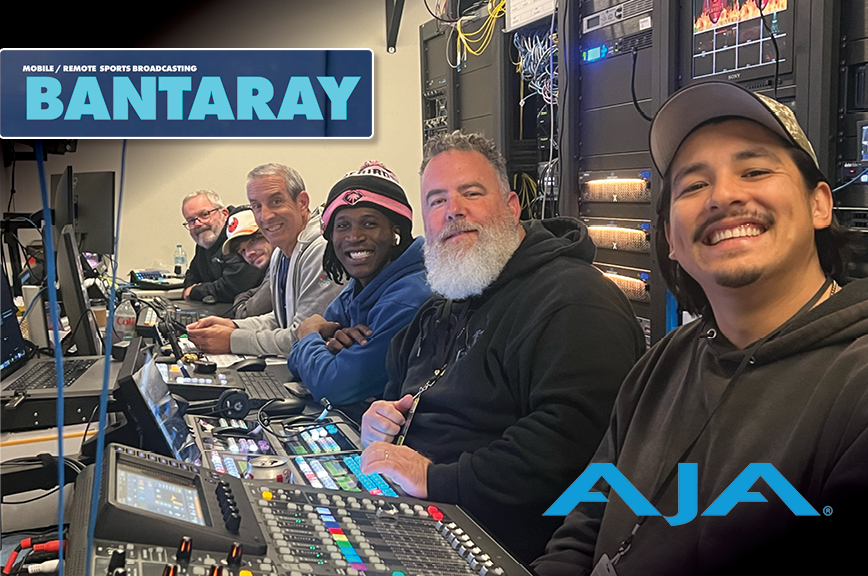
Steve Banta, founder of California-based Bantaray Mobile Sports Production, and Jeff Highbaugh, a freelance camera operator who regularly works with Bantaray, have built a solid mobile production pipeline to support niche sporting events. They recently spoke with us about their workflow, the importance of dependable equipment, and how they’re able to get more distance using AJA FiDO Mini-Converters for conversion between fiber and SDI.
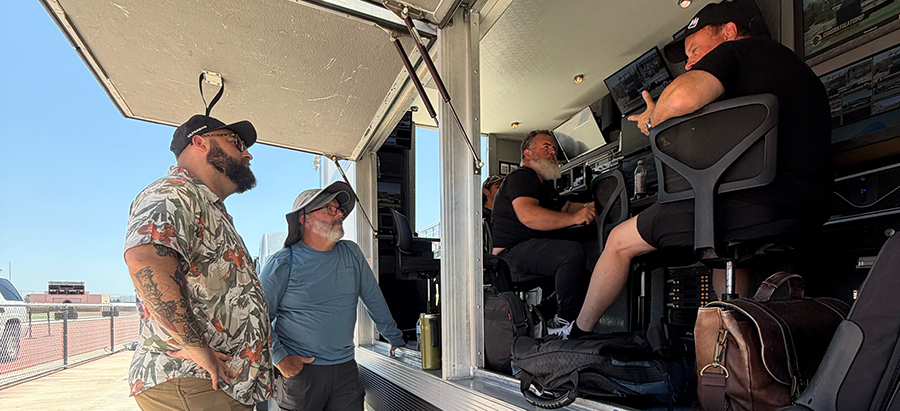
Tell us more about your background and roles.
Steve: I’ve worked in live production for more than 20 years. Before founding Bantaray in 2009, I started out as an editor and videographer. Now, I primarily work as a technical director for live sports broadcasts, overseeing production planning, technical workflows, and the crews that bring events to air. I work on a lot of high school sports productions for Spectrum in Orange County and Riverside. I also help with Coachella Valley Firebirds event productions.
Jeff: I've loved cameras ever since I can remember, so live production was a natural career path. I fell in love with broadcast and have met so many great people throughout the years. Today, I own a production company and freelance for Bantaray as a camera operator. I met Steve while working at an independent Orange County TV station. We hired one of his partners to produce a basketball game. I started hanging out with the team and helped them run camera for a few events. We’ve gotten to know each other and work together often. We’re not just colleagues but good friends, which makes work fun.
Describe what a typical project entails.
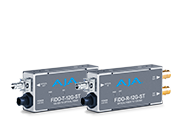
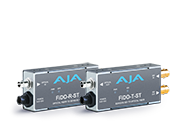
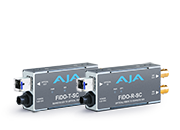
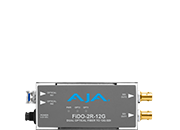
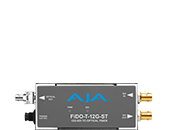
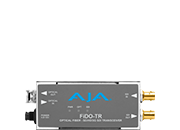
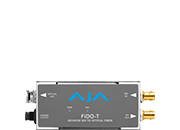
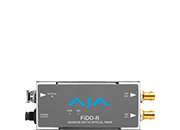
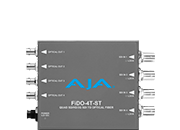
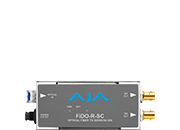
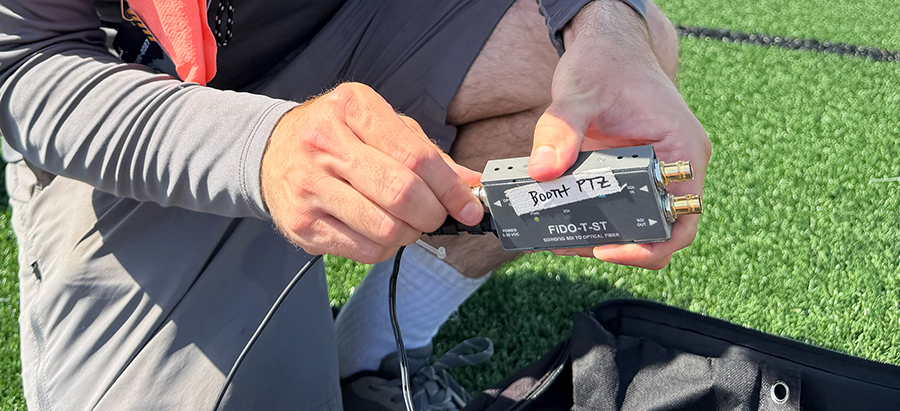
Jeff: We kick off each production by setting up the fiber, and we typically rely on AJA FiDO Mini-Converters for SDI to fiber conversion. Once our gear is set up, we rehearse, produce the show, and then pack up. We don’t often get the luxury of scouting the venue beforehand, so we’ll use Google Earth to get an idea of the space we’re working with and where the OB truck might go. That’s the beauty of fiber. The truck can be parked anywhere on site, and we can still quickly deploy audio and video using our FiDOs and daisy chain as much length as we need.
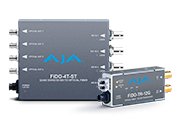
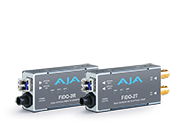
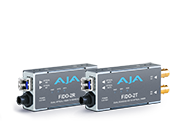
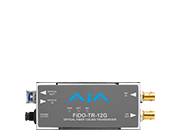
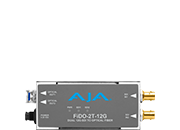
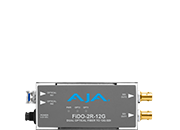
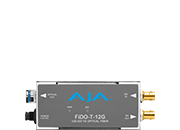
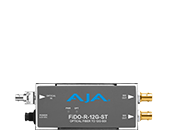
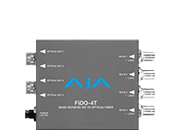
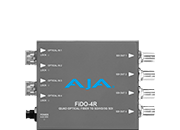
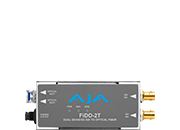
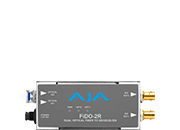
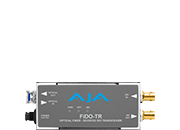
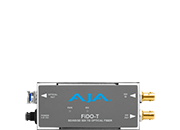
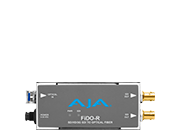
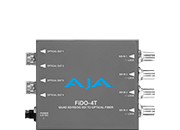
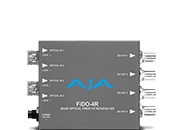
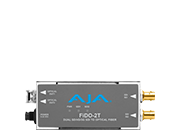
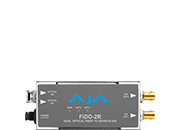
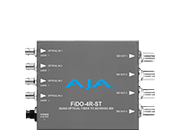
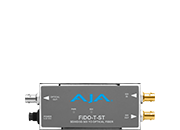
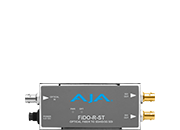
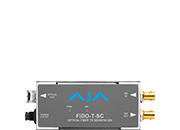
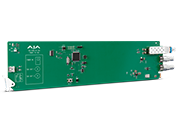
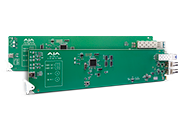
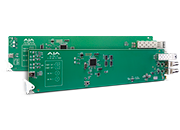
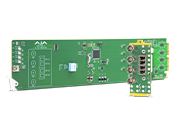
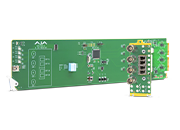
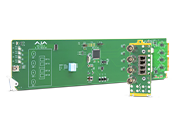
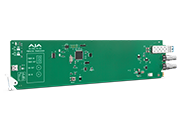
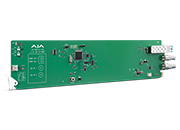
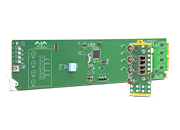
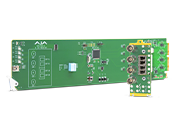
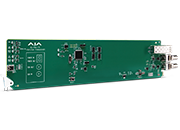
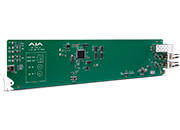
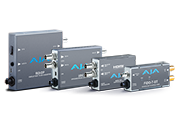
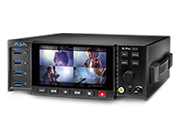
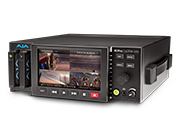
We own two dozen FiDO Mini-Converters, including the -4T, -4R, -2T, -2R, -R, and -T models, which we mount inside a booth kit that we take to events. The kit includes an I/O panel and our audio gear. We run a four-pair tack (a tactical fiber optic cable that can carry four video/audio signals) to the booth to get our AV up and running. The setup is so fast, and we can run four cameras down one fiber line. Beyond the FiDOs, we also use AJA Mini-Converters to convert SDI feeds to HDMI for monitoring needs, distribution amplifiers, and Ki Pro recorders.
Why is fiber optimal for these productions?
Steve: We need to move signals across long distances without power limitations. Our longest fiber reel is a thousand feet. Each production typically involves a production truck and a commentator booth, which has the most signal paths going to it, and sometimes we also have a video scoreboard. There are typically multiple cameras around the booth, plus some of the talent, and all the audio. We often use Dante for audio, and with fiber, we can barrel as many of those fiber reels together if we have a FiDO on each end.
What are the typical production challenges you encounter on site?
Steve: Every event is different, and each venue presents unique challenges, whether covering track, football, hockey, baseball, or another sport. Sending signals across long distances is almost always a hurdle. We have to find simple ways to get reporter feeds back to the truck, send program feeds to in-venue LED displays, and route audio and video signals safely across the venue, without creating tripping hazards for athletes or spectators.
Latency is probably the biggest challenge. We regularly produce games where cameras are in one state, commentators are somewhere else, and the production team is operating remotely from another location. Everything must stay synchronized, so the complexity behind the scenes isn’t noticeable to the audience. It’s why I prefer dedicated hardware; if one device has too many responsibilities, a single failure can affect the entire production.
Jeff: To add to Steve’s point, we often need to convert signals on the fly or extend them much farther than traditional SDI allows, which is where fiber conversion provides us with additional flexibility. Our AJA FiDO Mini-Converters provide reliable conversion between SDI and fiber. We don’t have a giant crew, and everyone is wearing multiple hats, so we work to get the best possible quality stream we can, which means we need gear that is reliable, consistent, and easy to use.
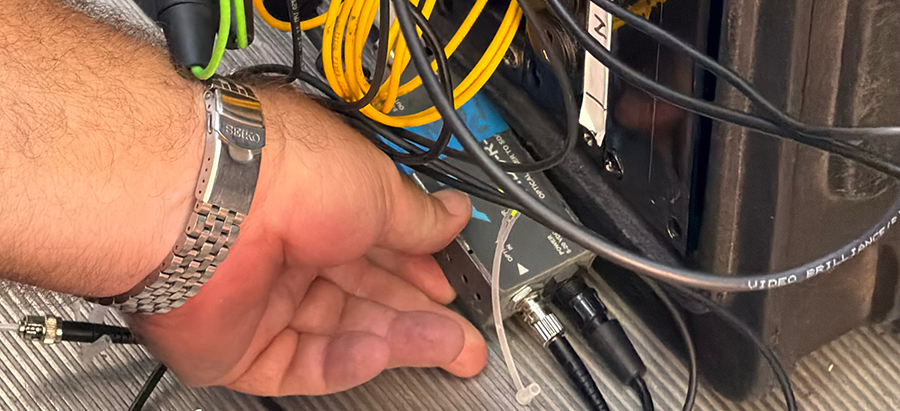
Why is reliable conversion important for your workflow?
Steve: Reliability is everything in live production; equipment failure isn’t an option, and when crews see professional gear on site, they know you're top-notch. We've completed dozens of broadcasts for Spectrum and over a hundred remote baseball productions without issue. Our FiDOs have been incredibly dependable through rain, extreme heat, and constant travel; they just keep working. It’s better to invest in reliable equipment once than to frequently have to troubleshoot cheaper alternatives.
Jeff: We've put our FiDOs through just about every weather condition imaginable, and they've never let us down. That reliability gives everyone confidence because we know the gear will simply do its job.
Which industry trends are you following?
Steve: While many are focused on AI right now, we’re more interested in where remote workflows are heading. The pandemic accelerated the industry's adoption of them, because everyone had to come up with new ways of getting on air without being together in the same truck. They've just kept evolving since. I'm also closely watching IP production technologies like SMPTE ST 2110. We're beginning to see more HDR production as well. While we primarily work in 1080p SDR, we recently worked on a basketball production where an existing mobile unit was upgraded for HDR using AJA FS-HDRs.
Jeff: Streaming continues to grow, so I’m looking at technology that can help me send high-quality, low-latency signals efficiently. Whether we're working with limited bandwidth or remote locations, finding reliable ways to get content on the air remains a major priority.
What’s next for you both?
Steve: Niche sports are finding dedicated audiences through streaming platforms, and this trend is opening up new opportunities for specialized businesses like ours. Currently, I’m working on building out the in-house entertainment and concert broadcast production setup for Acrisure Arena in Thousand Palms, California.
Jeff: I’m loving the idea of growing more into the multicamera space. I just love the environment and want to better understand and continue learning all the products and equipment required to do it.
About FiDO Mini-Converters
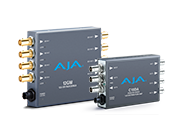
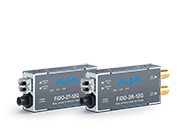
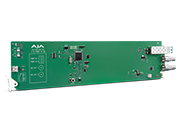
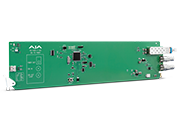
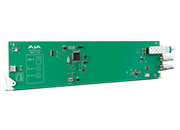
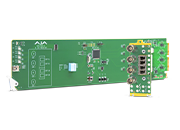
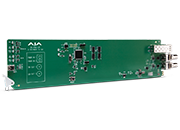
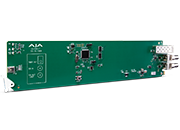
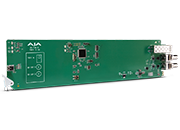
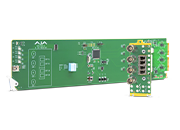
FiDO Mini-Converters offer unmatched flexibility and cost efficiency for 12G-SDI, 6G-SDI, and 3G-SDI fiber conversion, allowing for long cable runs up to 10km for single mode FiDOs and up to 700m (2296 ft) for OM4 and 300m (984 ft) for OM3 multi-mode fiber optic cables when using models with optional multi-mode SFPs. FiDO converters use a compact, low-profile enclosure that works well in tight spaces around and behind equipment racks, trucks and on camera.
About AJA Video Systems
Since 1993, AJA Video Systems has been a leading manufacturer of cutting-edge technology for the broadcast, cinema, proAV, and post production markets. The company develops a range of powerful, flexible video interface and conversion technologies, digital video recording solutions, and color management, streaming, and remote production tools. All AJA products are designed and manufactured at our facilities in Grass Valley, California, and sold through an extensive sales channel of resellers and systems integrators around the world. For further information, please see our website at www.aja.com.
All trademarks and copyrights are the property of their respective owners.
Media Contact:
Katie Weinberg
Raz Public Relations, LLC
310-450-1482, aja@razpr.com
Products Used
-
-
Ki Pro GO2
-
Ki Pro Ultra 12G