 Mini-Converters
 Digital Recorders
 Mobile I/O
 Desktop I/O
 Color
Color
 Streaming
 IP Video/Audio
 Frame Sync
 openGear
 Routers
 Recording Media
 Developer
 Software

MeyerPro Talks Tech for Remote Event Production Workflows
January 28, 2026
Share
 Email
Email
With the bar for corporate event production quality set high, workflow innovation by AV solutions providers like MeyerPro is perpetual. Broadcast Engineer Cole Miller is always thinking about the next big camera or LED tech to elevate client productions, and he also pays equal attention to procuring the right signal converters, frame syncs, and recorders for each project. For Miller, these tools are essential, ensuring smoother signal transmission, supporting multiple formats, and producing high-quality event recordings.
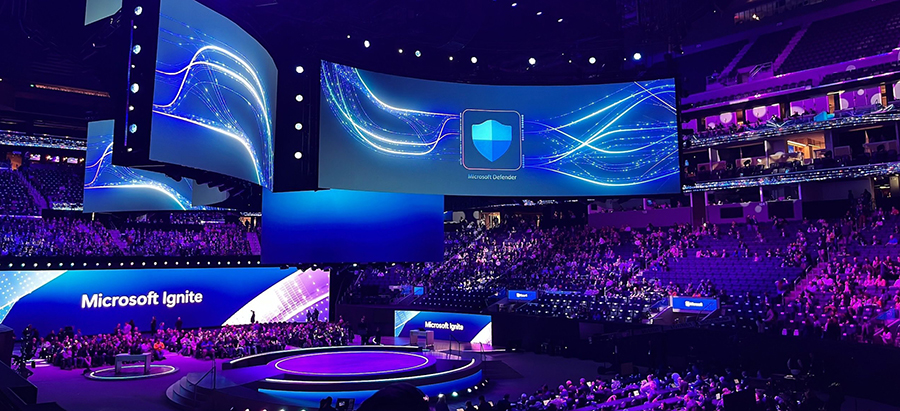
They were a top consideration when MeyerPro helped support AV for Microsoft Ignite, a multi-day event held in November, which featured keynote presentations, technical sessions, and more. Miller recently spoke with us about the project, the technology he used to streamline remote production, and what lies ahead for MeyerPro as the company plans to scale in 2026.
Tell us more about MeyerPro.
MeyerPro specializes in providing high quality AV solutions for live events and broadcasts, with offices in Portland and Seattle. We’ve been in business for more than 40 years and serve corporations like Microsoft, Nike, Boeing, and Xbox, as well as local nonprofits. 80% of our jobs are event-based, but we also build studio infrastructures for companies that need to produce private content, and we have a sales and integration department that handles installs.
How’d you get started in the business, and what is your role?
I started working in AV as a volunteer at a local church at a young age. I liked it so much that I went to college to study AV and earned a degree in sound design. After college, I dove straight into live events. I worked my way through various roles and companies before joining MeyerPro a few years ago. Now, I work as a broadcast engineer for client events, including Microsoft Ignite. I’m usually the lead engineer, so I ensure all the equipment functions as expected, spot red flags, and follow along with any changes happening during the event.
What does a project like Ignite involve?
We work closely with our client’s executive team and all the companies involved in the event to produce and stream activities to on-site displays and online viewing platforms. Once we get a list of gear and specs, I make sure that all the right gear is secured, in place, and functioning properly, including the correct number of fiber lines, connections, and converters to get signals where they need to go.
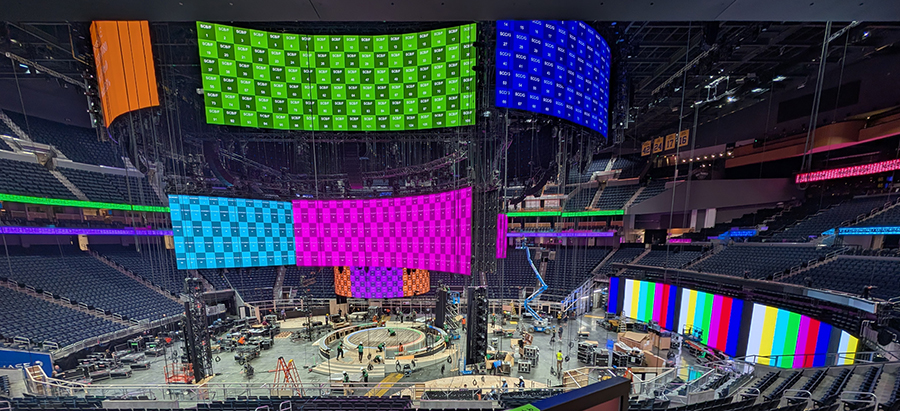
This year, Ignite was produced in the round, with a single stage in the middle surrounded by tons of LED walls. We brought about 30 cameras – including spider cameras hanging from ceiling cables and broadcast quality cameras and techno cranes - to capture the event. We had to ensure that everything we provided functioned as needed. To do this, we established two on-site engineering centers that we connected using fiber, which is where a lot of AJA products came into play.
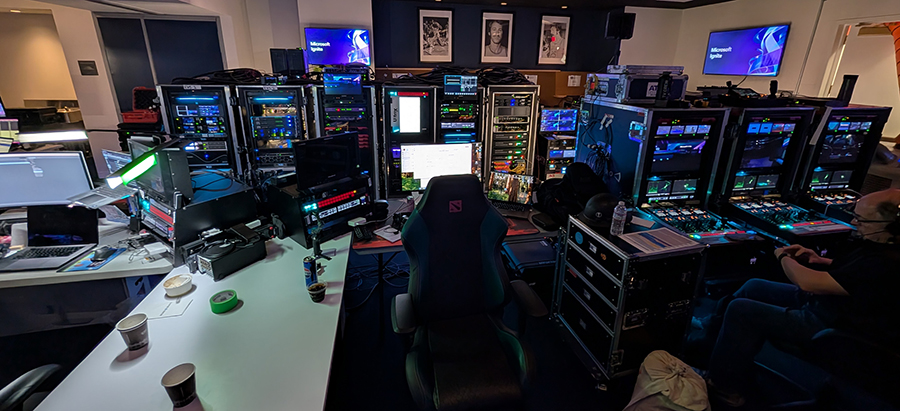
We also had a full on-site control room with a set of racks, which was the core processing piece driving the production. All our camera feeds came back to the control room, where we kept the standard routing and switching equipment, and a director and a technical director cut the show. Then, I passed the final feed to the transmission team, who sent it up to Microsoft’s Seattle studio, where they added captions or any other little elements.
Were there any project challenges you faced?
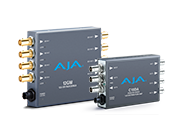
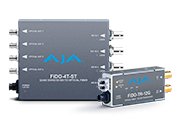
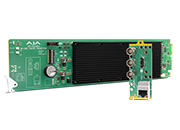
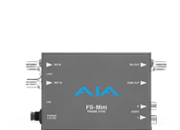
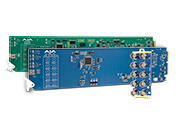
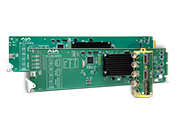
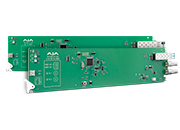
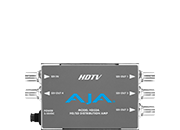
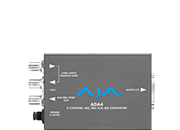
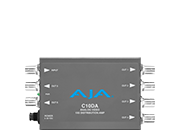
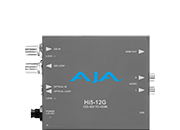
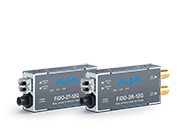
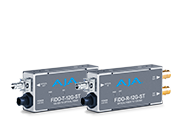
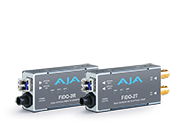
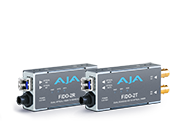
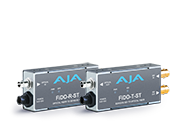
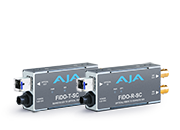
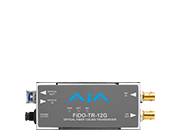
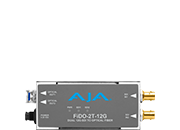
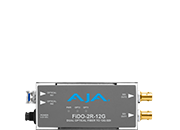
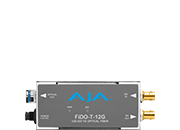
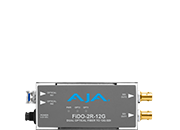
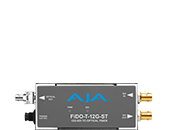
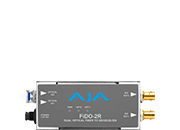
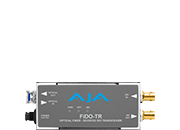
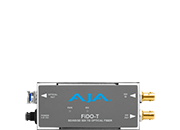
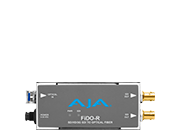
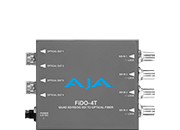
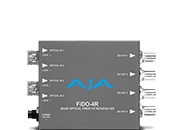
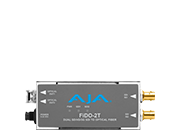
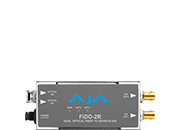
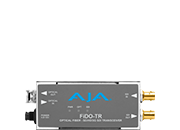
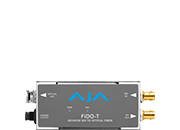
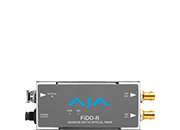
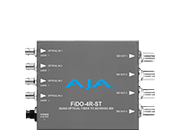
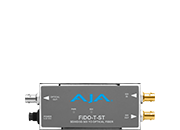
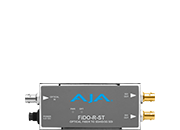
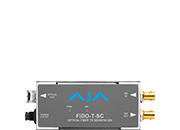
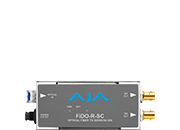
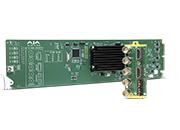
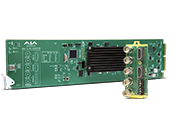
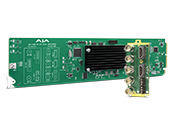
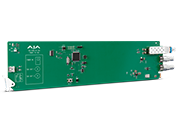
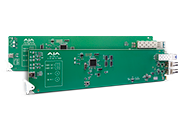
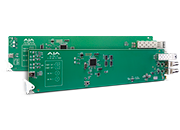
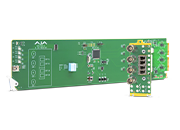
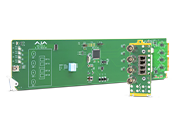
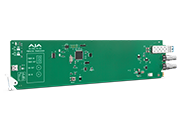
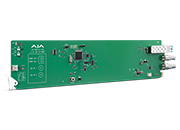
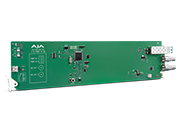
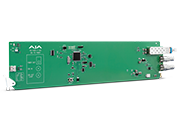
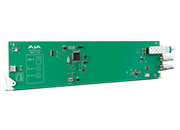
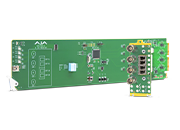
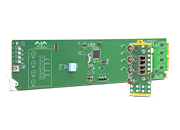
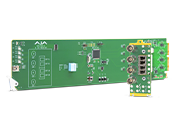
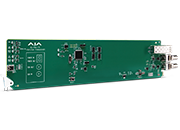
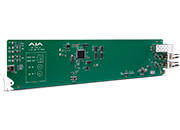
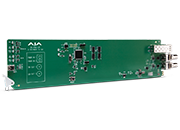
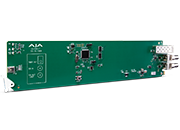
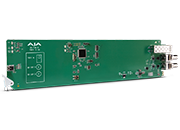
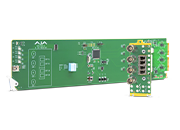
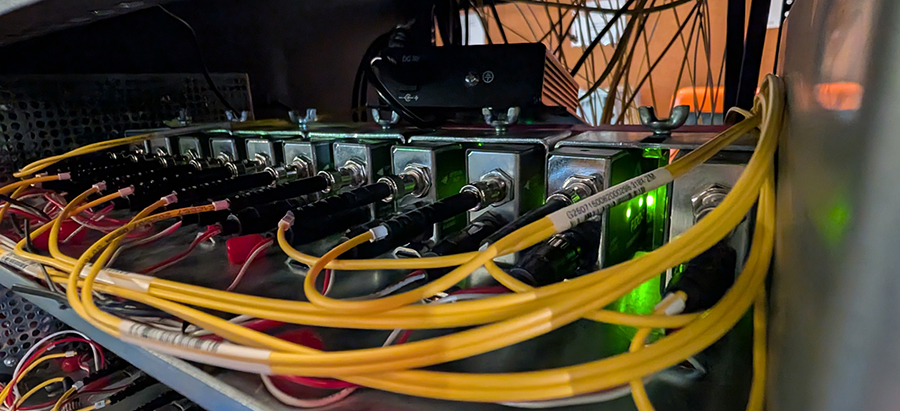
One big challenge was the transmission path. Ignite was in San Francisco at the Moscone Center, and Microsoft’s office is in Seattle. This meant we had to send the live event signal from San Francisco to Seattle so that the Microsoft team could quality control (QC) it and send it out for streaming. Dropped frames, blips, or errors were unacceptable, so we used an AJA FiDO-12G fiber Mini-Converter in our transmission solution.
My favorite feature of the Mini-Converter is its two 12G-SDI outputs. We were able to feed one output to the transmission team and loop the other into another FiDO and back to me on site. It gave me confidence that there weren’t any errors, and the transmission team was able to better troubleshoot on their side as well.
Tell us more about the project workflow.
We produced the event largely in 1080p 59.94. All of the cameras were fed to a centralized camera control unit (CCU). AJA FiDO Mini-Converters primarily supported the transmission of computer feeds of Teams or PowerPoint presentations and any number of sources that the client wanted to air.
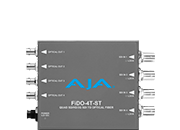
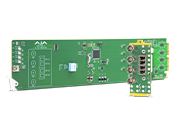
Most of the in-venue LEDs were 4K, so we used 12G-SDI FiDO converters to push a 4K signal from one side of the building to the other. We also used 3G-SDI FiDO converters to support HD transmission of the signals to Seattle. These devices are so rock solid and reliable that we always have one in our final transmission path, regardless of the event.
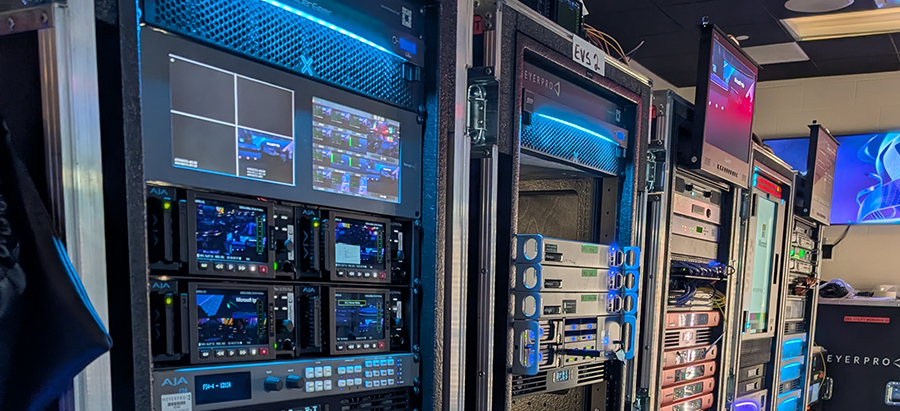
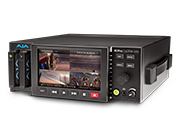
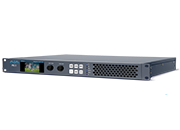
All the feeds were converted from HDMI or SDI to fiber, and then, I’d convert them back to SDI with another FiDO for integration into the main broadcast fly-pack system on site. The system also included a rack with five AJA Ki Pro devices, including Ki Pro GO2 multichannel HD recorders, which recorded four channels per unit. All the recordings were archived and saved for editing down the line. We also recorded to NAS (Network Attached Storage) over the network and then onto a network hard drive that our client had access to. This allowed the executive team to review the rehearsals, ensure everything looked as expected, and make adjustments.
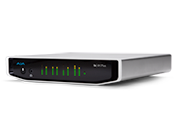
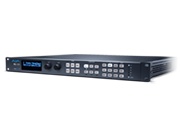
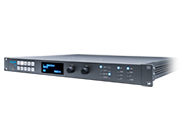
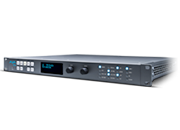
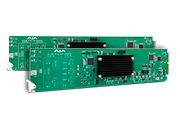
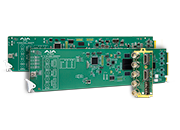
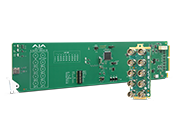
We also dropped AJA FS4 frame synchronizers into the chain where we were ingesting content to ensure that everything was synced. We had one with the team facilitating the Teams stream integration. They gave me four signals from their machines, which I fed through the FS4. That allowed me to use its Proc Amps to color correct and ensure a solid signal. Depending on the network, things can get glitchy, and FS4 helps smooth everything out.
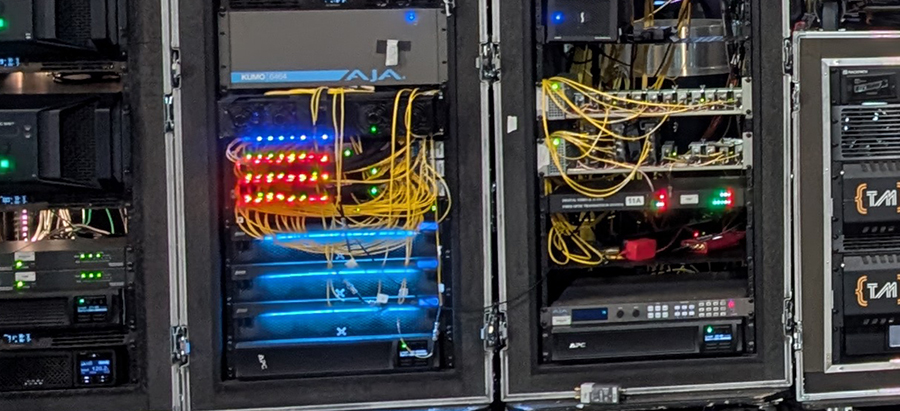
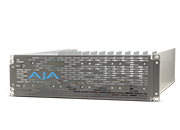
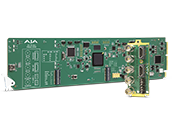
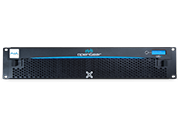
We also use AJA DRM Mini-Converter frames, since there’s a single power supply that can power all the devices. DRM is actually one of my all-time favorite products. The DRM frame is compact, and you can put tons of AJA converters in there.
What trends are you following?
The biggest trend I’m seeing is that more people want to move toward SMPTE ST 2110, or a network-based infrastructure. I’m excited to see AJA launching new products that will support this direction. I also think we’re starting to get more queries about HDR and what it takes to execute, so it will be interesting to see if we see an uptick in adoption in the coming years.
How would you describe working on a project like this, and what's next for MeyerPro?
For me, it's a lot of fun; it’s the reason I'm in this industry. I enjoy every aspect of it and love being able to work on these larger projects with Fortune 500 companies. We provide AV for some of the biggest companies in the world, and it’s always exciting to see what they're doing and how we can be of assistance and offer solid, reliable support.
While our immediate focus is on pursuing new business and scaling up our team, one of our future goals is to expand into other regional markets and eventually grow the business globally.
About AJA Video Systems
Since 1993, AJA Video Systems has been a leading manufacturer of cutting-edge technology for the broadcast, cinema, proAV, and post production markets. The company develops a range of flexible baseband and IP video/audio interface and conversion technologies, digital video recording solutions, and color management, streaming, and remote production tools. All AJA products are designed and manufactured at our facilities in Grass Valley, California, and sold through an extensive sales channel of resellers and systems integrators around the world. For further information, please see our website at www.aja.com.
All trademarks and copyrights are property of their respective owners.
AJA Media Contact:
Katie Weinberg
Raz Public Relations, LLC
310-450-1482, aja@razpr.com
Products Used
-
DRM - Rackmount Frame
-
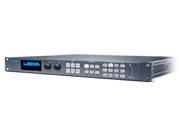
FS4
-
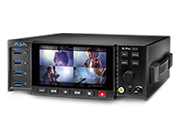
Ki Pro GO2
-
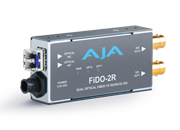
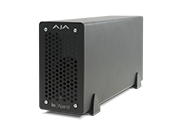
FiDO