 Mini-Converters
 Digital Recorders
 Mobile I/O
 Desktop I/O
 Color
Color
 Streaming
 IP Video/Audio
 Frame Sync
 openGear
 Routers
 Recording Media
 Developer
 Software









Queensland Performing Arts Centre on Elevating the Live Stream Experience
December 17, 2025
Share
 Email
Email
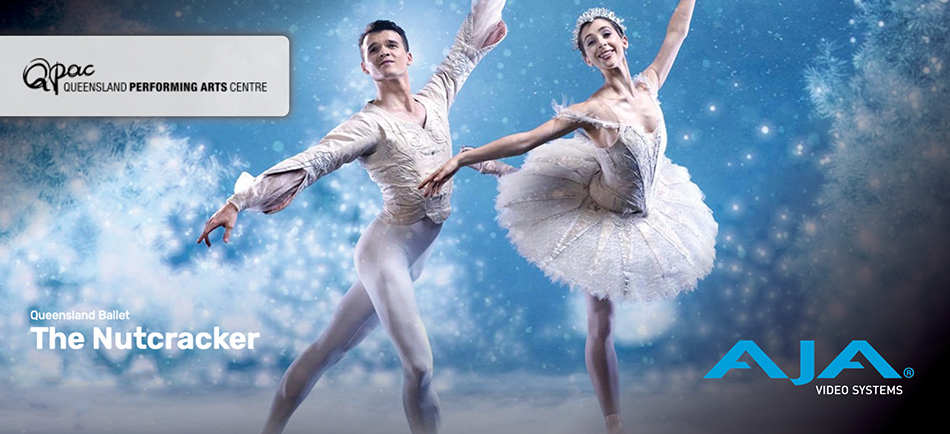
Live streaming quickly evolved from trend to commodity, prompting many performing arts centres worldwide to adopt dedicated live production infrastructures. As a result, they’ve improved audience reach and accessibility while also increasing revenue opportunities. The Queensland Performing Arts Centre (QPAC) learned this firsthand when it first established its live streaming and recording pipeline a few years back and is now looking to elevate its production value once again. The venue is currently in the process of overhauling its AV infrastructure to support the production and delivery of 4K high dynamic range (HDR) content. We recently caught up with QPAC Audiovisual Manager Michael Wade, who filled us in on his AV journey, the venue’s workflow, and its latest upgrade, which will integrate new AJA tools.
How did you get into the business?
I have a background in playing, composing, and producing music, and I began recording to a Tascam 244 cassette 4-track machine, which set off my passion for the craft. Even when working as a musician for Australia’s top studios, including Platinum, Metropolis, Sing Sing, and EMI, I always had questions about recording techniques, outboard gear, and microphones. After years on the road, I returned to Brisbane, started a family, and took a job at the Brisbane Convention and Exhibition Centre (BCEC) as a sound technician. Then, I was a venue production coordinator at The Edge and head of sound at the Royal International Convention Centre (RICC). Eventually, I ended up at QPAC as a systems tech, and now I manage the centre’s AV.
What does an average day on the job look like, and what do you enjoy most about your profession?
My day is never the same. I might be scoping equipment, planning for a new theatre, or handling quotes, invoices, and POs. Human resources, rosters, venue and broadcast systems tech research, and paging are also part of my job, plus I handle IPTV, MATV, production, meetings, and the occasional sound operation job. Whatever I’m doing, I’m able to make it through the day with a lot of coffee. My favourite parts of the job are scrounging for old or unloved gear and putting it to use, and developing relationships with suppliers.
Tell us more about QPAC and what makes the venue unique.
QPAC opened its doors in 1985 and today has four, soon to be five, venues that cater to audiences of different sizes and interests. Our 1,800-seat Concert Hall is primarily a music venue for a variety of acts, from full orchestras to rock bands, including names like Herbie Hancock and the London Symphony Orchestra. Our Lyric Theatre houses all the touring musicals, while our Playhouse hosts a range of art forms, including theatre, ballet, and opera. Finally, we have a 280-seater black box venue.
We offer live streaming and recording services to artists and groups who use our space. Our first major live stream was for QSO’s last concert with conductor Alondra de la Para, which attracted 12,000 live viewers and was watched 25,000 times on demand. Whereas many venues often bring in outside broadcast expertise to meet live production needs, we've set ourselves up to do it all in-house, with an AV team of eight managing everything, which is pretty special.
How do clients use your live streaming and recording offering?
Depending upon licensing agreements, clients can request that their performance or event be live streamed and/or recorded. We stream out most performances and events in 1080p H.264 SDR to the client’s website or to the Digital Stage platform we’ve set up on Brightcove. For higher profile performances, like the recent Ballet Preljocaj tour, we may live stream to other regional arts centres and venues.
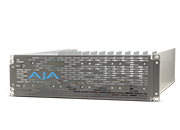
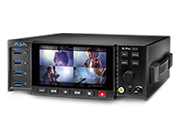
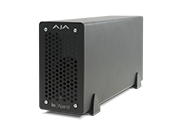
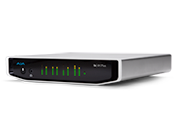
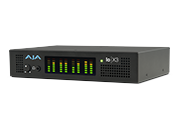
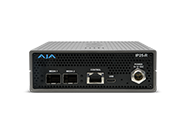
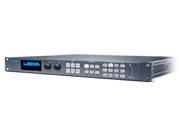
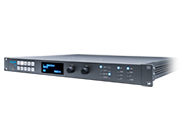
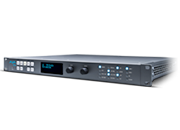
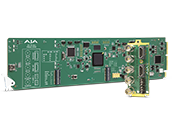
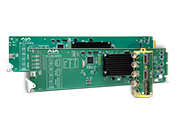
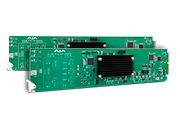
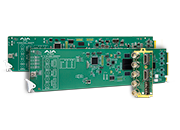
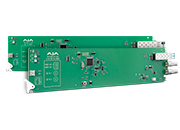
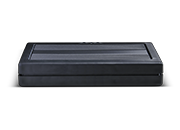
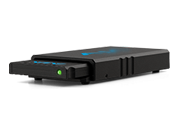
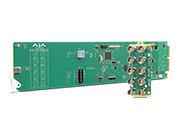
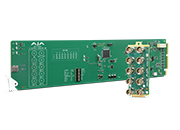
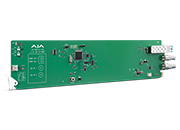
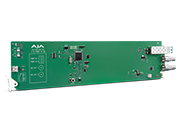
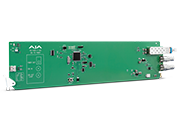
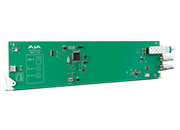
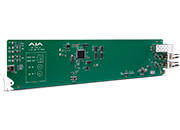
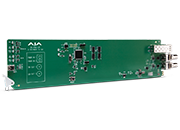
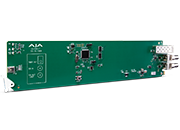
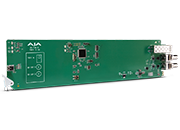
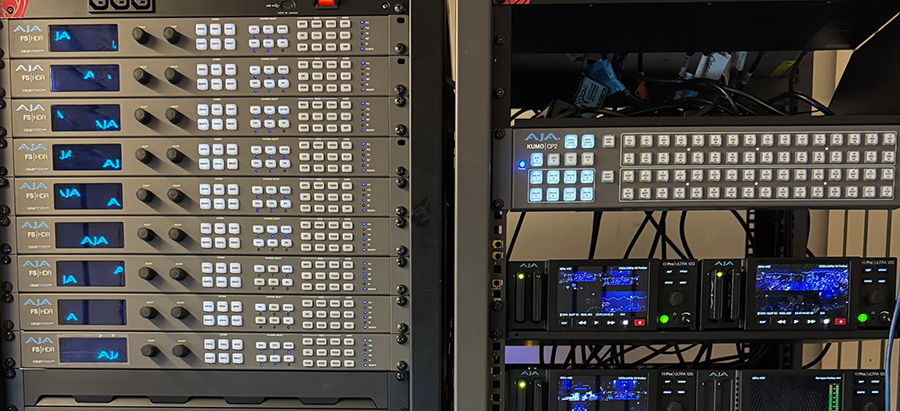
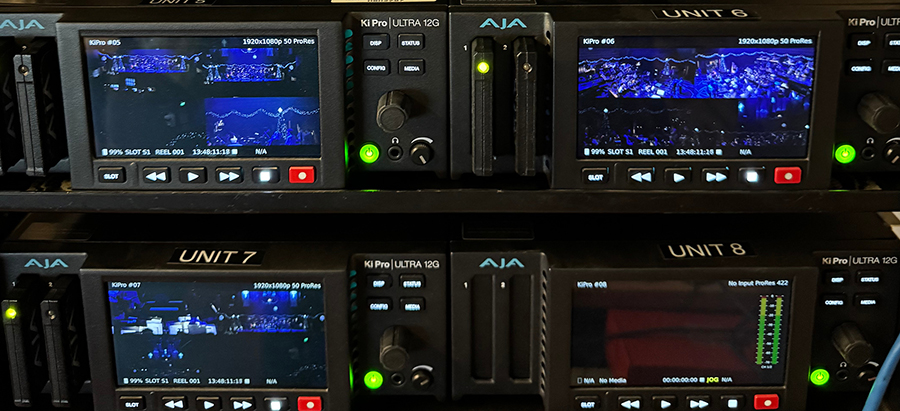
Some clients just want access to an H.264 recording right after the event for performance review needs. In other cases, we post produce the footage and make a recording available for a set timeframe for streaming or VOD (video on demand) viewing on Digital Stage; we’ll also cut promos, highlight reels, or social media teasers in a range of different formats and resolutions. For ISO and main program feeds, we record in Apple ProRes. Presently, we’re focused on building a 4K HDR recording workflow and have invested in tools like AJA FS-HDR, ColorBox, and Ki Pro Ultra 12G to support it. The last piece of the puzzle is a fibre module.
What’s driving demand for live streaming and recording from performers and events?
It’s really a matter of more of our clients wanting to expand their audience reach and use the available technology to their advantage, whether to create marketing materials or to facilitate performance reviews. However, executing these live streams and recordings before implementing our new in-house setup required an OB truck and satellite, which was cost-prohibitive. Now, we can distribute live event and performance feeds to regional venues as a live stream over the public internet, which is much more affordable. Another driver for the expansion of our Digital Stage offering is that it allows us to make the arts more accessible to more people who may not be able to experience performances on site at QPAC.
Why is 4K HDR a priority for QPAC?
Since Digital Stage is compatible with modern televisions, we want viewers at home with 4K HDR TVs and Dolby Atmos sound to be able to take advantage of both when watching our content. Our goal is to capture the highest quality audio and video possible with our existing toolset to ensure a more dynamic experience for viewers. Capturing 4K HDR also ensures that we have the highest quality source material to work with in post, which will allow us to elevate the quality of VOD content we can deliver. Our goal is to deliver content that looks and sounds beautiful, working within the parameters of our budget. With some nice 4K lenses, our FS-HDR frame synchronisers, and ColorBoxes, we’ll be able to achieve an aesthetic on par with expensive high-end cameras.
Describe your live streaming and recording process and pipeline in more detail, please.
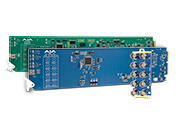
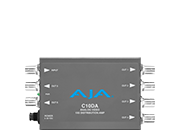
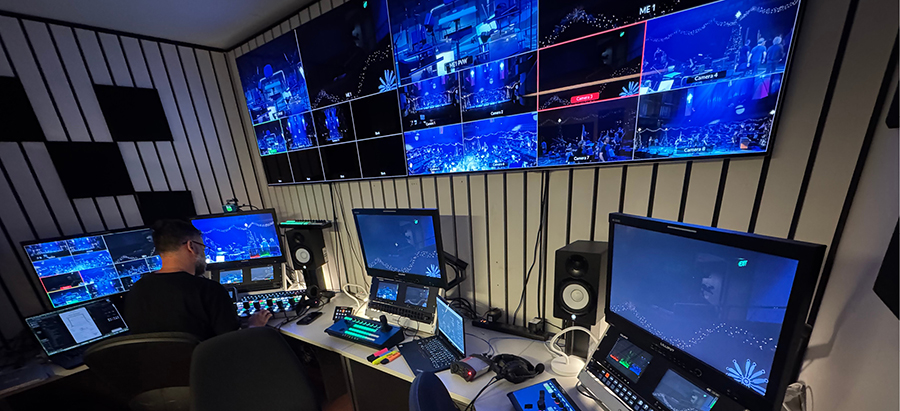
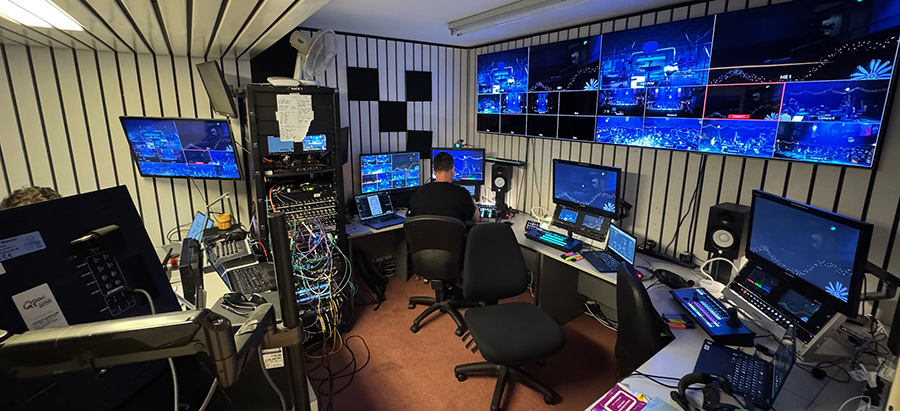
Typically, performance or event producers come to us with a proposal two weeks in advance. We discuss the requirements, style, logistics, and dates to lock everything in. Our pipeline is spread across multiple venues on the QPAC campus. Each venue and our main control room house a RIEDEL MicroN signal interface. During events and performances, genlock signals are output to AJA C10DA analog video distribution amplifiers to distribute to a mix of cinema and PTZ cameras. All camera control, Dante, and comms are also run through MicroN agnostic Ethernet tunnels to breakout switches.
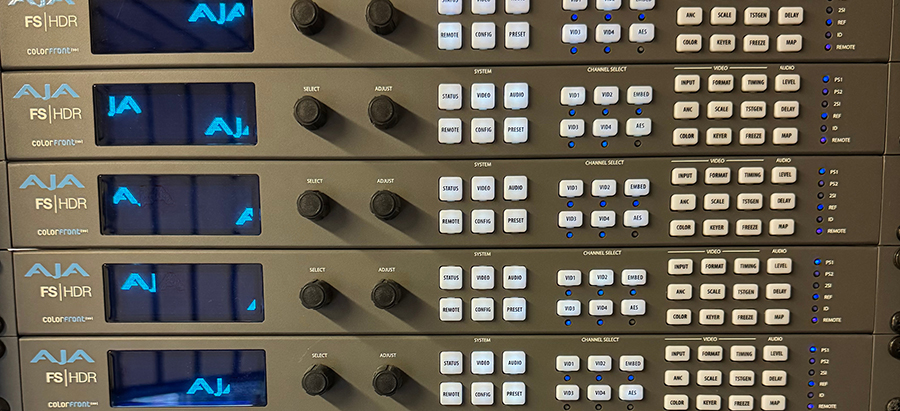
Camera feeds run through SMPTE fibre to our studio breakout box, where we patch outputs, sync, return vision, and tally to/from the MicroN. The signals then reach the control room, where they go directly into eight AJA FS-HDR frame synchronisers for colour matching. The FS-HDR frame synchronisers output to our SDI router, where we can patch to our switcher and Ki Pro Ultra 12G recorders. We can also split the format, if we want, so we’re able to record ISOs in 4K HDR while switching and streaming in 1080p SDR and provide synchronisation and MADI audio embedding to SDI.
Using FS-HDR, we apply a LUT and leverage the internal Proc Amp to adjust the white, black, and skin tones. For audio, we take Dante or MADI to our audio suite, where we have our master clock and digital interfacing, which breaks out to a console where we do the mix and embed it with the video side using the MADI interface on the FS-HDR. To synchronise digital audio and video, we use an Antelope Trinity. A genlock split then goes to a Rosendahl MIF-4, which synchronises the frame rate to timecode. We then send the time code to the recorders and studio equipment. The remote operations team uses Elgato Stream Decks to change monitor feeds and cameras, and we use in-house comms.
Moving forward, we’d like to use five ColorBoxes across venues as an inline LUT for colour matching across cameras or as a PGM output if we want to create a certain ‘look.’ This will let us free up our FS-HDR units for other important video processing tasks. We’ll also be able to throw a ColorBox on an output to apply an established ‘look’ to the master feed if required.
For live streaming, the HELO Plus H.264 streaming and recording device is a key piece of gear; we also use the original HELO for backup. They’re such dependable devices that are easy to program and compatible with just about anything, plus they can handle compression on the fly. We’re also exploring the possibility of integrating AJA’s BRIDGE LIVE into our pipeline to support transcoding and streaming needs.
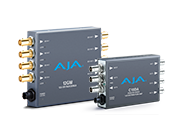
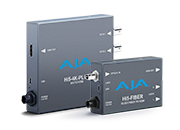
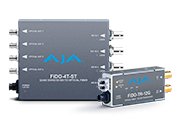
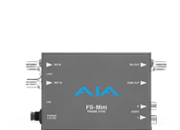
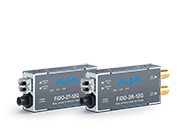
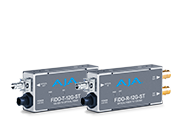
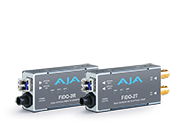
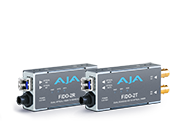
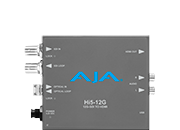
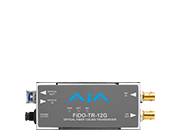
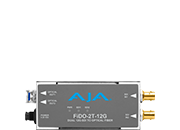
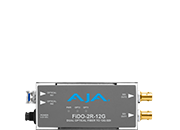
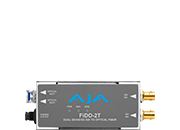
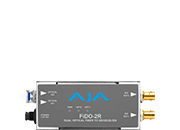
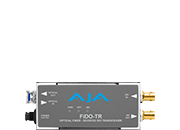
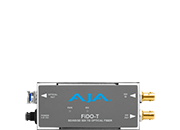
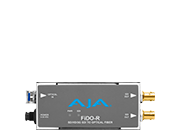
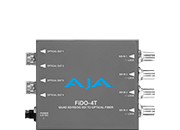
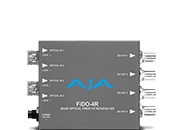
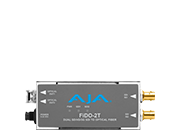
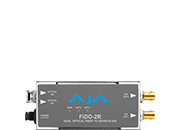
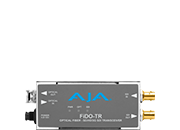
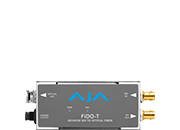
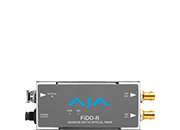
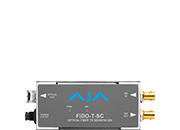
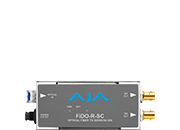
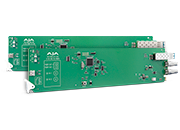
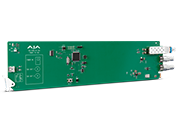
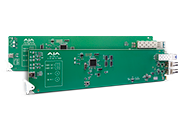
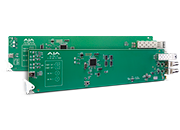
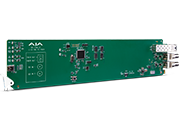
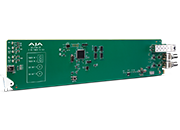
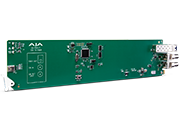
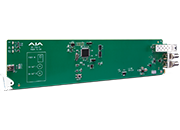
AJA Mini-Converters are another staple across our workflow for signal conversion, in addition to the C10DA I mentioned before. FiDO fibre optic converters support nearly all our fibre conversion needs and are just so sturdy and reliable. As for editorial, we cut programming and other promotional materials in-house using a couple of Macs and a PC for graphics and animation. All our audio is post mixed and added to the video. We use a lot of AJA gear because it’s rock solid, and they offer great support. Their gear is affordable, and it performs as if it’s more expensive. Updates are regular and meaningful, and the free apps are very useful.
What industry trends are you tracking as you look to the future?
The evolution of AV over IP is the main trend we’re following right now. When we built QPAC’s infrastructure, it wasn’t yet standard, but today, it’s becoming more important. At the time, cameras only had SDI outputs, and distribution was SDI-centric, but that isn’t the case anymore. If we had started five years later, we may have gone a different route, and it’s something we’re certainly exploring now.
About AJA Video Systems
Since 1993, AJA Video Systems has been a leading manufacturer of cutting-edge technology for the broadcast, cinema, proAV, and post production markets. The company develops a range of powerful, flexible video interface and conversion technologies, digital video recording solutions, and colour management, streaming, and remote production tools. All AJA products are designed and manufactured at our facilities in Grass Valley, California, and sold through an extensive sales channel of resellers and systems integrators around the world. For further information, please see our website at www.aja.com.
All trademarks and copyrights are the property of their respective owners.
Media Contact:
Katie Weinberg
Raz Public Relations, LLC
310-450-1482, aja@razpr.com
Products Used
-
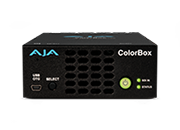
ColorBox
-
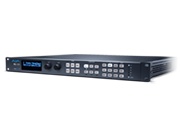
FS-HDR
-
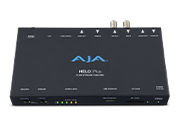
HELO Plus
-
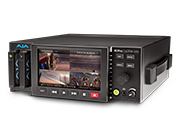
Ki Pro Ultra 12G
-
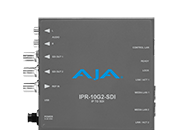
Mini-Converters